
Why Play-Based Learning Works: Engaging Kids' Minds
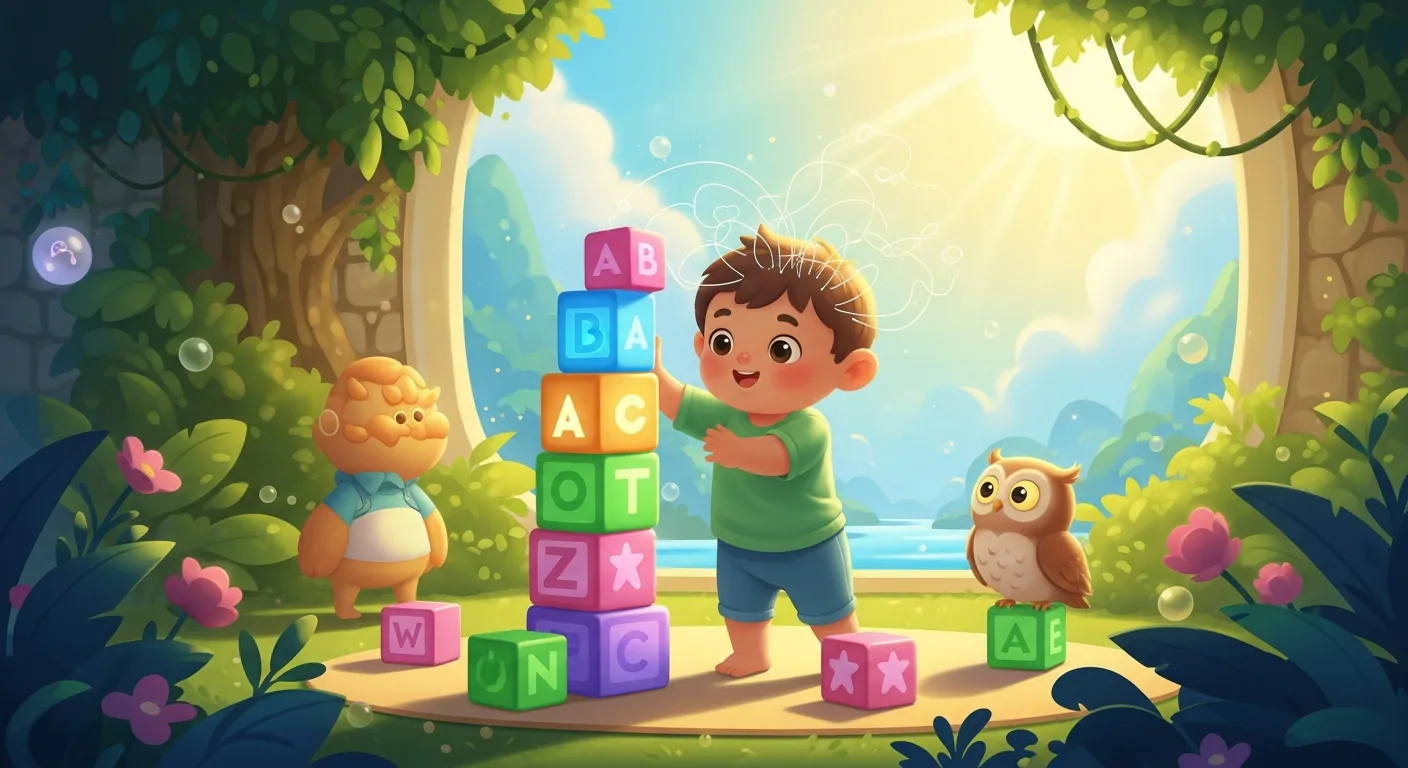
As parents, we all want to give our children the best possible start in life. We dream of them growing into confident, capable individuals who can navigate challenges, make sound decisions, and solve problems creatively. In a world increasingly focused on early academics, it's easy to feel the pressure to push flashcards and structured lessons from a young age. However, what if the most powerful tool for fostering these vital skills isn't a textbook, but a toy? The exciting truth is that science overwhelmingly supports the idea that play is not just fun, but a critical foundation for learning and development.
This isn't about letting kids run wild without purpose; it's about understanding the profound developmental processes that occur when children engage in self-directed, imaginative play. From building towering block castles to pretending to be a brave astronaut exploring new planets, these seemingly simple activities are actually complex learning experiences. In this post, we'll delve into the fascinating science behind why play-based learning works, exploring the immense play-based learning benefits, and offering practical, actionable ways you can integrate it into your daily life to nurture your child's mind, all without adding academic pressure.
The Science Behind the Smiles: How Play Rewires Young Brains
At its core, play is the natural way children learn about themselves and the world around them. For toddlers and preschoolers (ages 2-5), whose brains are undergoing rapid development, play acts as a powerful catalyst. Neuroscientific research shows that during play, children build and strengthen neural pathways, particularly in areas of the brain responsible for executive functions like planning, organizing, and problem-solving. It's not just about memorizing facts; it's about developing the underlying cognitive architecture that supports all future learning.
Renowned developmental psychologists like Jean Piaget and Lev Vygotsky emphasized the critical role of play. Piaget described play as essential for children to assimilate new information into their existing understanding of the world, adapting their schemas as they explore. Vygotsky highlighted play as a 'zone of proximal development,' where children can stretch their abilities and perform at higher levels than they could independently, often through imaginative scenarios and social interaction. This is why you'll see a child pretend to be a doctor, meticulously caring for a doll – they are practicing real-world roles and developing empathy, all while enhancing their cognitive flexibility.
The play-based learning benefits extend far beyond just cognitive growth. Emotionally, play provides a safe space for children to express feelings, understand social cues, and develop self-regulation. A child who learns to share a toy or negotiate roles in a game is practicing crucial social-emotional skills. Physically, play refines gross motor skills through running and jumping, and fine motor skills through drawing, building, and manipulating small objects. Every giggle, every shared moment, every imaginative leap contributes to a holistic development that forms a robust foundation for their academic journey and overall well-being. It’s a comprehensive approach that respects the child’s natural curiosity and inherent drive to learn.
Fostering Crucial Skills Through Play: More Than Just Fun
While play is undeniably enjoyable, its true power lies in its ability to cultivate critical life skills. Unlike structured academic tasks that often have a single right answer, play is open-ended, allowing children to experiment, make mistakes, and discover solutions on their own terms. This process is fundamental to developing crucial skills that cannot be taught through rote memorization.
- Problem-Solving: When a child tries to fit a square peg into a round hole or figures out how to make a tower stand without toppling, they are engaging in complex problem-solving. They hypothesize, test, and adapt their approach. This iterative process builds resilience and a growth mindset, teaching them that challenges are opportunities for learning, not roadblocks. These experiences are invaluable play-based learning benefits, preparing them for real-world complexities.
- Decision-Making: From choosing which color block to use next to deciding the plot of a dramatic play scenario, children constantly make decisions during play. This empowers them with a sense of agency and teaches them about cause and effect. Engaging with a choose-your-own-adventure format, for instance, offers a fantastic way for children to practice making choices and seeing the direct consequences of those choices unfold within a story, fostering critical thinking and an understanding of narrative progression.
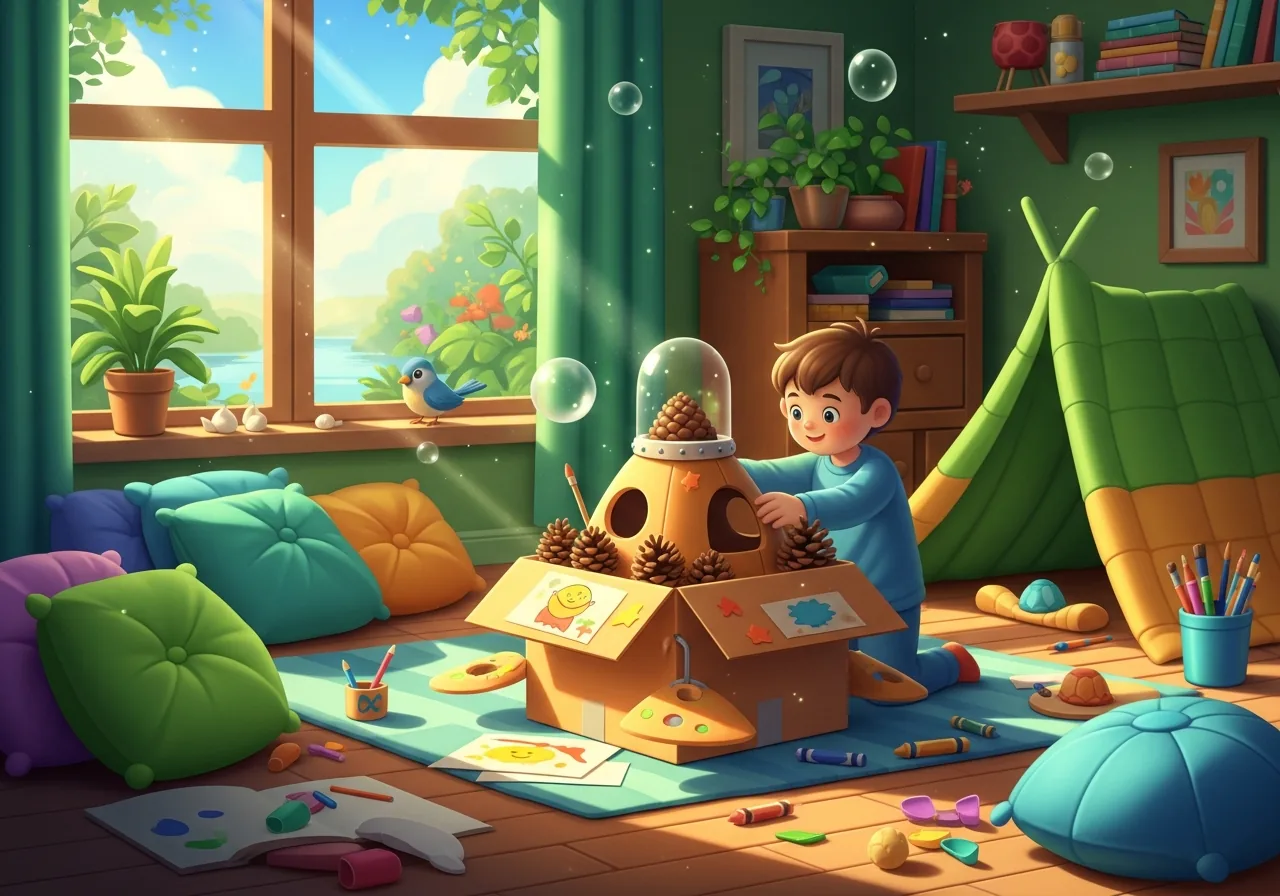
- Creativity and Imagination: Play is the birthplace of imagination. A cardboard box transforms into a spaceship, a blanket becomes a fort, and sticks become magic wands. This imaginative play stretches children's creative muscles, encouraging them to think outside the box, invent scenarios, and develop innovative solutions. These aren't just fanciful activities; they are direct pathways to developing a creative mind capable of original thought.
- Communication and Social Skills: Whether negotiating turns, assigning roles, or explaining the rules of a game, play provides endless opportunities for children to practice communication. Collaborative play teaches empathy, cooperation, and conflict resolution – vital social skills that are best learned through authentic interaction rather than didactic instruction. Sharing stories, listening to friends, and expressing ideas all contribute significantly to strong interpersonal skills, a cornerstone among play-based learning benefits.
By engaging in these activities, children aren't just passing the time; they are actively building the neural pathways and cognitive frameworks necessary for future academic success and lifelong well-being. The skills gained through play are transferable and foundational, far more valuable in the long run than any early academic drill.
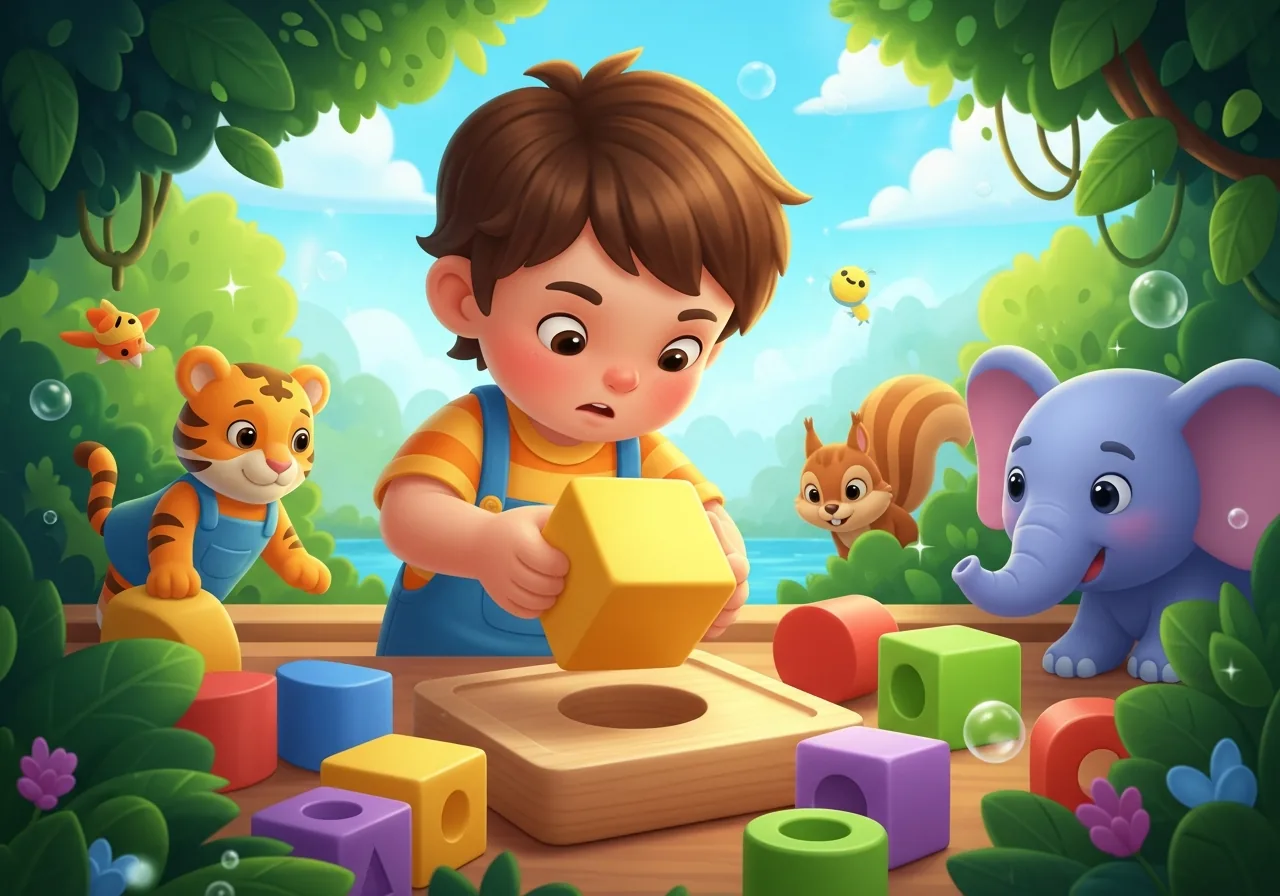
Bringing Play-Based Learning Home: Practical Tips for Parents
Integrating play-based learning into your daily routine doesn't require a specialized degree or expensive materials. It's about cultivating an environment that encourages exploration, curiosity, and self-directed activity. Here are some practical ways to harness the play-based learning benefits in your home:
- Provide Open-Ended Materials: Instead of toys with a single purpose, offer materials that can be used in multiple ways. Blocks, art supplies, dress-up clothes, natural elements (pinecones, leaves), and even simple household items like blankets and cardboard boxes are fantastic for sparking creativity and problem-solving. These materials invite children to impose their own ideas and narratives.
- Create a 'Yes' Space: Designate an area where your child has the freedom to explore and make a bit of a mess without constant intervention. This fosters independence and allows for uninterrupted concentration, which is crucial for deep learning. Make sure materials are accessible so they can choose their own activities.
- Follow Their Lead (and Observe): Instead of dictating play, observe what interests your child and join in on their terms. Ask open-ended questions like, "What are you building?" or "What happens next?" rather than giving instructions. This validates their play and provides opportunities for conversation and deeper engagement. Understanding their interests is key to maximizing play-based learning benefits.
- Introduce Interactive Storytelling: Engage children with stories where their choices matter. Platforms or apps that offer a choose-your-own-adventure format are excellent for this. For example, interactive stories like those found on Twistale, featuring characters such as Siso the tiger, allow children to actively participate in the narrative. They make decisions that alter the story's path, developing critical thinking, comprehension, and a sense of ownership over the story's outcome. This is a brilliant way to blend literacy with decision-making skills.
- Embrace Mess and Experimentation: Learning through play often involves trying things out, and sometimes that means making a mess. Whether it's finger painting, mud pies, or water play, these sensory experiences are incredibly rich for development. Focus on the learning process, not just the tidy outcome.
- Limit Screen Time, Maximize Real Play: While some digital tools can be educational, balance them with ample time for unstructured, hands-on play. The tactile, social, and imaginative experiences of real-world play are irreplaceable for holistic development.
Remember, your role isn't to be a teacher in these moments, but a facilitator. By providing a rich environment, showing genuine interest, and allowing for autonomy, you unlock the full potential of play-based learning benefits.
The journey of parenting a toddler or preschooler is filled with wonder, growth, and countless opportunities for learning. By embracing the power of play-based learning, you are not just giving your child a joyful childhood; you are equipping them with the essential cognitive, social, emotional, and physical skills they need to thrive in school and in life. Let go of the pressure for early academics and instead, lean into the natural, effective, and deeply enriching path of play. Watch as your child's curiosity blossoms, their problem-solving abilities sharpen, and their confidence soars, all through the simple yet profound act of playing.