
Teach Kids Cultural Understanding: Interactive Story Choices
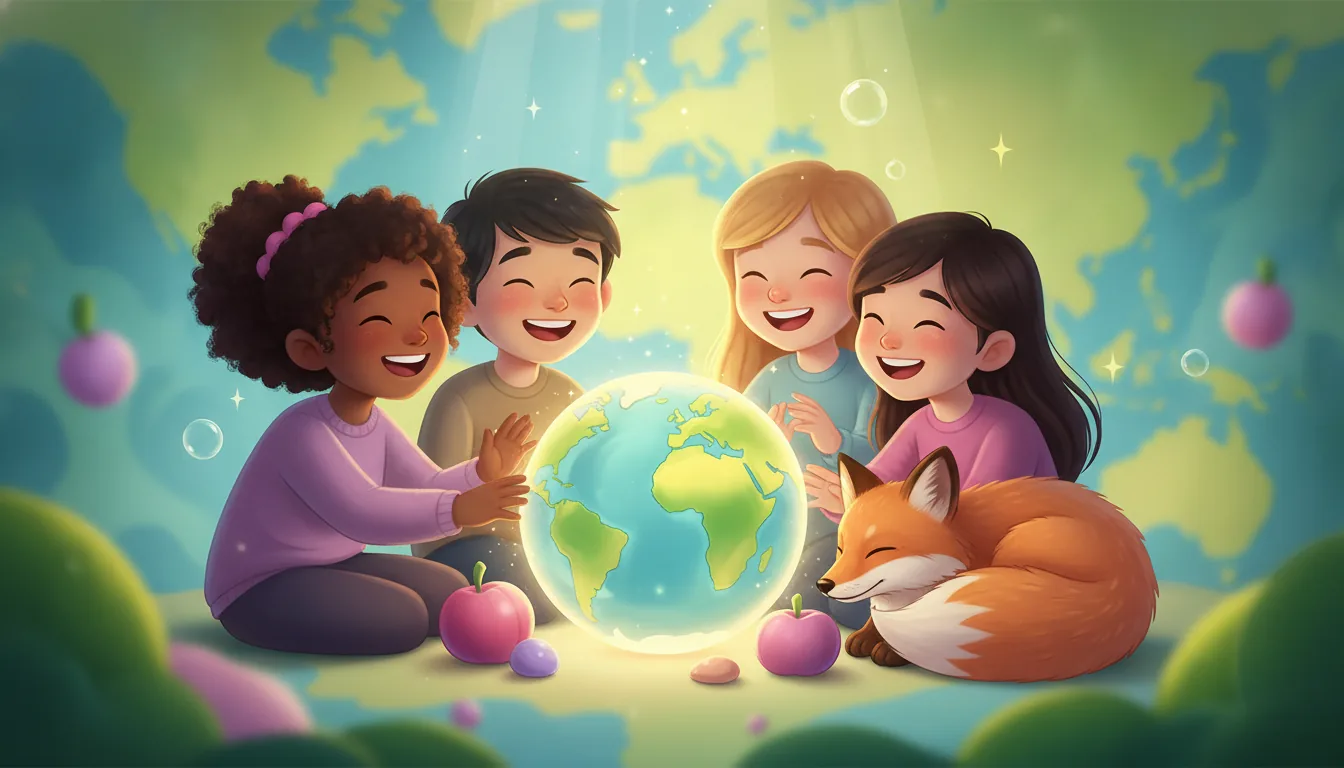
In an increasingly interconnected world, equipping our children with a robust understanding of diverse cultures isn't just beneficial—it's essential. As parents, we often grapple with how to broaden our children’s horizons beyond their immediate environment, fostering empathy, respect, and a genuine appreciation for differences. Traditional methods like textbooks or travel can be impactful, but they don't always fully capture the nuanced experiences and perspectives needed to truly teach kids cultural understanding. The challenge lies in making these complex concepts accessible and engaging for young minds, turning abstract ideas into tangible, relatable experiences.
Imagine a learning tool that places your child directly into a different culture, allowing them to make choices that shape a story and reveal the consequences of their actions within a new context. This isn't just a dream; it's the power of interactive storytelling. By leveraging narratives where children are active participants rather than passive observers, we can unlock a profound way to introduce them to global awareness and cultural understanding. This approach not only captivates their imagination but also instills valuable lessons about empathy, adaptability, and respect, paving the way for them to become thoughtful, globally-minded individuals.
Why Cultural Understanding is Crucial for Young Minds
The benefits of fostering cultural understanding in children extend far beyond mere geographical knowledge. In a world where global events impact local lives, and diverse communities thrive side-by-side, a broad worldview is no longer a luxury but a fundamental skill. When children learn to appreciate different cultures, they develop stronger empathy, a critical trait for navigating personal relationships and societal challenges. They learn to see situations from multiple angles, which sharpens their critical thinking and problem-solving abilities. This foundational understanding helps them break free from stereotypes and biases, fostering an open mind that embraces differences rather than fearing them.
Without exposure to diverse perspectives, children risk developing a narrow worldview, which can lead to misconceptions, intolerance, and difficulty adapting to new environments. Preparing them for a globalized future means equipping them with the tools to communicate effectively, collaborate respectfully, and innovate creatively with people from various backgrounds. This isn't just about knowing facts about another country; it's about understanding different value systems, customs, traditions, and ways of life. By starting early, we empower them to become compassionate global citizens, capable of building bridges rather than walls, and contributing positively to a more harmonious world. The ability to teach kids cultural understanding is an tremendous investment in their personal growth and the future of our interconnected society.
The Magic of Interactive Storytelling in Fostering Global Perspectives
While traditional books offer a window into other worlds, interactive storytelling, particularly in the choose-your-own-adventure format, throws open the door and invites children to step inside. The magic lies in active participation. Instead of passively reading about a character's journey, children become the protagonists, making decisions that directly influence the narrative's path and outcome. This immersive experience significantly enhances engagement and retention, making the lessons learned far more impactful.
Imagine a scenario where a child must decide whether to follow a local custom during a festival in a fictional village. Their choice might lead to a warm welcome, a polite correction, or even an accidental misunderstanding. Each outcome offers a unique learning opportunity, demonstrating the importance of cultural etiquette and communication. Platforms like Twistale excel at this by creating dynamic narratives where children explore different scenarios and outcomes related to cultural contexts. They might be faced with a dilemma about sharing resources in a community with different norms, or choosing how to resolve a conflict based on local traditions. This hands-on, experiential learning cultivates adaptability and an intuitive grasp of how cultures shape interactions, making it an incredibly effective way to teach kids cultural understanding in a memorable and fun manner. It moves beyond theoretical knowledge, placing children directly in the shoes of someone navigating a new cultural landscape, and letting them experience the impact of their decisions.
Practical Ways to Incorporate Diverse Stories into Your Child's Routine
Integrating diverse and interactive stories into your child's routine doesn't require a complete overhaul; it simply requires intentional choices. Start by exploring your local library or online resources for children's books that feature characters from different ethnic backgrounds, cultures, and traditions. Look for stories that depict everyday life in other countries, celebrating both similarities and differences. Many modern children's apps and educational platforms are now designed with interactive elements that specifically aim to teach kids cultural understanding through engaging narratives.
Consider digital platforms that offer a "choose-your-own-adventure" style, as these are perfect for hands-on learning. Some stories might feature relatable characters like Siso the tiger, who, while a beloved animal, might embark on adventures in various culturally rich settings, introducing children to new foods, music, customs, and landscapes through his journey. Parents can also create their own mini interactive stories at home. Start with a simple premise: "Imagine we're visiting a new country. What do we do when we greet someone? Do we shake hands, bow, or something else?" Let your child choose and discuss the potential outcomes.
After experiencing an interactive story, engage your child in a discussion. Ask open-ended questions like: "What did you learn about that culture?", "How did the characters feel?", "What would you have done differently?", or "Does anything in this story remind you of something we do, or something different?" This reflective step solidifies the learning and encourages critical thinking about cultural differences and commonalities. Make it a fun, shared activity rather than a lesson, and you'll find your children eager to explore new worlds, one story choice at a time.
Fostering global awareness and cultural understanding in children is one of the most vital gifts we can give them as parents. Interactive stories, with their unique ability to immerse young minds in diverse perspectives and challenge them to make choices within new cultural contexts, stand out as an incredibly powerful tool. By actively engaging with narratives that celebrate the richness of human experience, we not only teach kids cultural understanding but also cultivate empathy, critical thinking, and a lifelong curiosity about the world. Let's embrace these innovative storytelling methods to raise a generation of compassionate, well-rounded global citizens ready to connect and thrive in our diverse world.