
Taming Tantrums: Empower Young Kids with Choices (Ages 2-5)

Ah, the dreaded toddler tantrum. One moment, your sweet little one is playing happily, and the next, they're a miniature cyclone of frustration, tears, and shouts, often over something as seemingly insignificant as a misplaced toy or the "wrong" color cup. For parents of two to five-year-olds, these emotional explosions are a universal rite of passage, leaving us feeling overwhelmed, exhausted, and often unsure of how to best respond. While tantrums are a normal part of development, they don't have to completely derail your day.
What if there was a powerful, yet simple, approach that not only helped to de-escalate these meltdowns but also fostered independence? The secret often lies in empowering them with a sense of control, primarily through strategic choices. By understanding the root causes and implementing practical, choice-based strategies, you can transform moments of conflict into opportunities for growth. This post explores effective toddler tantrum solutions by giving your child agency.
Understanding the "Why" Behind the Roar: The Science of Toddler Tantrums
Before we dive into solutions, it's crucial to understand why tantrums happen. For children between two and five years old, their brains are rapidly developing, but the prefrontal cortex – responsible for impulse control and emotional regulation – is still under construction. This limits their ability to manage strong feelings, leading to explosive expressions when overwhelmed.
Several factors contribute to the perfect tantrum storm:
- Limited Language Skills: Young children often lack the vocabulary to articulate complex emotions or needs. Frustration over not being understood can quickly escalate.
- Desire for Independence: As toddlers discover individuality, they develop a strong drive for autonomy. When this desire is thwarted, even by necessary boundaries, it can trigger a meltdown.
- Inability to Self-Regulate: The "fight or flight" mechanism is easily triggered. They don't yet have tools to calm their bodies or minds independently.
- Lack of Control: Many tantrums stem from a child's perceived lack of control. Their world is largely dictated by adults, and feeling powerless can make a tantrum their way of asserting influence. This is where empowering choices becomes a powerful intervention and a key among toddler tantrum solutions.
Recognizing these developmental realities isn't about excusing the behavior, but understanding it with empathy. This forms the foundation for responding effectively and proactively.
The Art of Offering Choices: Practical Strategies for Parents
Empowering your child with choices is a cornerstone of effective toddler tantrum solutions. When children feel they have a say, even in small matters, it fulfills their innate need for autonomy, reduces feelings of powerlessness, and helps them practice decision-making skills. The key is to offer choices strategically and thoughtfully.
1. Be Proactive and Consistent:
Integrate choices into your daily routine to build a habit of decision-making and reduce potential conflict. Examples:
- Morning Routines: "Do you want to wear the blue shirt or the red shirt?"
- Meal Times: "Would you like carrots or peas with dinner?"
- Transitions: "In five minutes, we're leaving the park. Would you like to go down the slide one more time, or swing for a bit?"
2. Offer Limited, Real Choices:
Too many options can overwhelm, while fake choices are counterproductive. Stick to two or three viable options you are genuinely okay with.
- Good Choice: "Do you want to wear your sneakers or your boots?"
- Not a Good Choice: "Do you want to clean your room or not clean your room?" (This isn't a choice; it's an ultimatum.)
3. Frame Choices Positively & Respect Decisions:
Use encouraging language. Instead of "You can either stop crying or go to your room," try, "It looks like you're feeling frustrated. Would you like a hug, or do you need some quiet time to yourself?" Once a choice is offered and made, honor their selection. This builds trust and reinforces their sense of agency.
Consider how choice impacts children in other areas, too. Interactive storytelling formats, like a choose-your-own-adventure book, empower children by letting them dictate the narrative. Platforms like Twistale, for instance, offer engaging digital stories where characters like Siso the tiger face dilemmas, and children decide what happens next. This format not only entertains but subtly teaches cause and effect, problem-solving, and the impact of choices – skills directly translating to navigating their own daily decisions and reducing moments of frustration. Just as Siso navigates his world through choices, your child can navigate theirs, fostering competence rather than powerlessness.

Beyond the Immediate Choice: Fostering Long-Term Emotional Regulation
While offering choices is a powerful immediate strategy and one of the most effective toddler tantrum solutions, it’s also a foundational step in fostering long-term emotional intelligence and self-regulation. Here’s how to build on the foundation of choice to create lasting positive impact:
1. Validate Their Feelings & Teach Emotion Vocabulary:
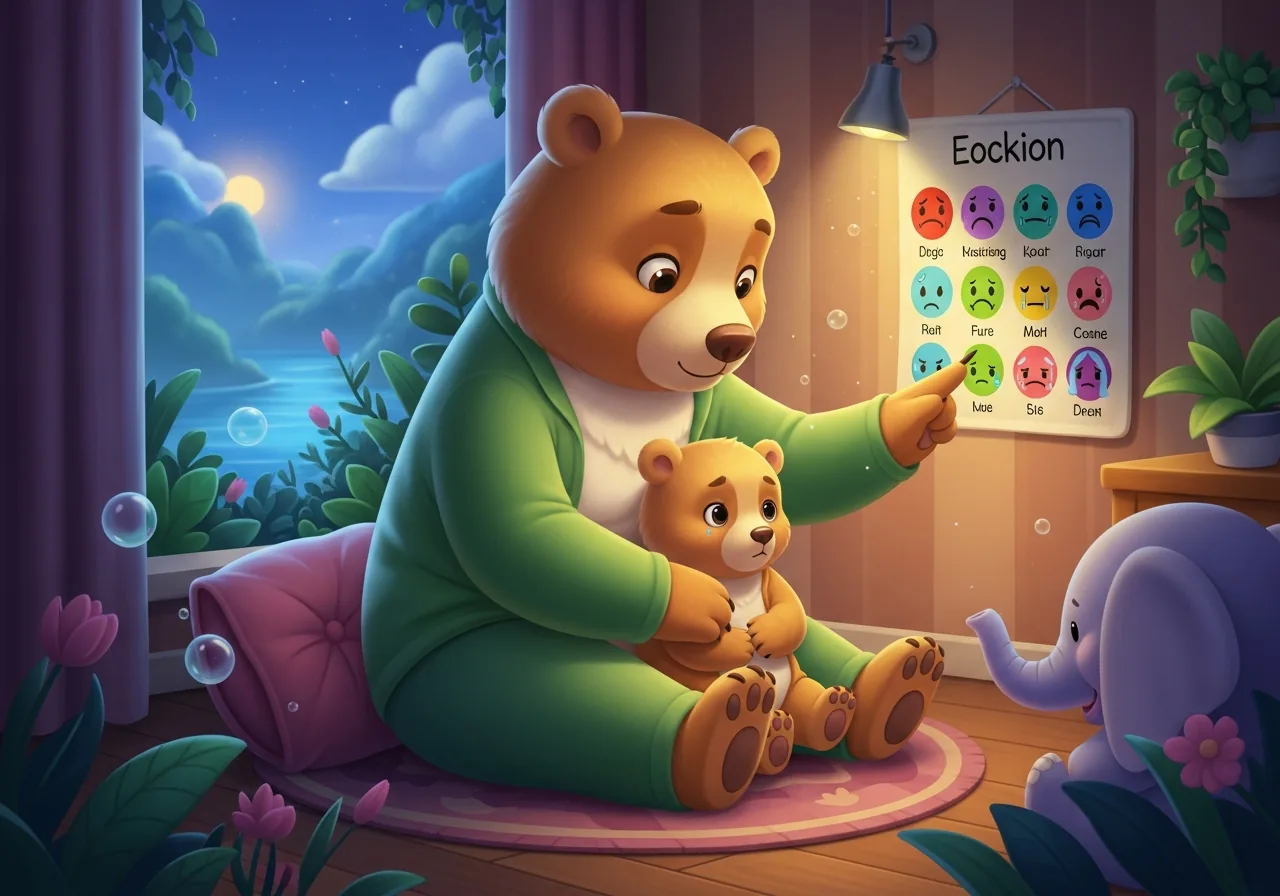
Even when a choice resolves a conflict, the underlying emotion might still be present. Acknowledge what they're feeling without judgment. Phrases like, "I see you're still a little sad, and that's okay," help children feel understood. Simultaneously, empower them to put words to their feelings. Regularly label emotions: "You seem angry," "Are you feeling frustrated?" The more words they have, the better they can communicate needs instead of resorting to meltdowns.
2. Model Healthy Coping & Set Clear Boundaries:
Children learn best by example. When you feel frustrated, model constructive coping mechanisms: "I'm feeling a bit overwhelmed, so I'm going to take a deep breath." Similarly, choices thrive within a framework of clear, consistent boundaries. Children feel secure knowing what to expect. While they can choose their pajamas, they can't choose to skip bedtime. Consistency helps them understand the limits of their control and reduces power struggles.
Implementing these strategies consistently requires patience and empathy. There will still be tantrums – they are a normal part of development. But by consistently offering choices and building a supportive environment, you equip your child with invaluable tools for emotional resilience and self-confidence. It’s an investment in their emotional well-being and a testament to your loving guidance.
Taming tantrums isn't about eliminating big emotions, but guiding your child through them with understanding and empowerment. By embracing choice as a core strategy, you’re not just finding immediate toddler tantrum solutions; you’re fostering essential life skills. With patience and consistency, you can help your two to five-year-old navigate their big world, one empowered decision at a time, leading to calmer days and a stronger parent-child bond.