
Spark Kids' Creativity: How Interactive Stories Boost Imagination
In a world increasingly dominated by screens and passive entertainment, many parents find themselves searching for ways to truly engage their children’s minds. We want our kids to be more than just spectators; we want them to be active participants in their own learning and development. The challenge lies in finding activities that capture their attention while simultaneously nurturing essential skills like imagination, critical thinking, and problem-solving.
This is where interactive storytelling shines. Moving far beyond traditional passive narratives, formats like choose-your-own-adventure books offer a powerful pathway to actively engage children, transforming them from observers into decision-makers, plot-shapers, and true architects of their fictional worlds. For parents of early readers and school-age kids (5-10), embracing interactive stories is a fantastic strategy to boost kids creativity and foster a lifelong love for dynamic learning.
The Magic of Choice: Why Interactive Stories Stand Out
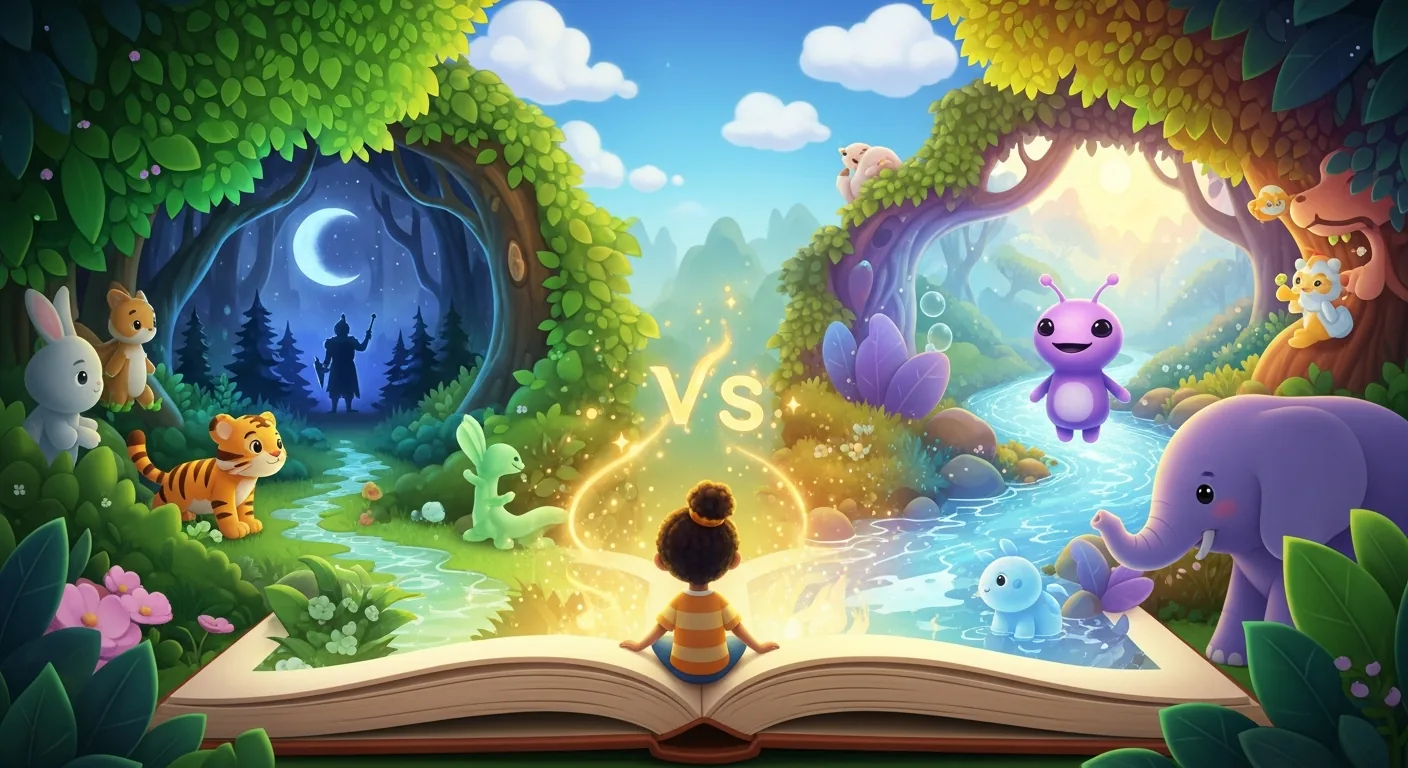
Imagine reading a story where every few pages, your child gets to decide what happens next. Does the brave knight turn left into the whispering woods or right towards the sparkling river? Does the curious alien friend try the green space goo or the purple one? This isn't just a fun gimmick; it's a profound shift in how children interact with narratives. Unlike traditional books or movies where the plot is predetermined, interactive stories hand the reins of power directly to the reader.
This active participation is incredibly beneficial for young minds. When children make choices, they invest more deeply in the story. They become emotionally and intellectually involved, feeling a sense of ownership over the protagonist's journey and destiny. This engagement goes far beyond merely following a plot; it's about actively shaping it. This process inherently helps to boost kids creativity by demanding they think proactively about consequences and possibilities, rather than just absorbing information passively.
Furthermore, the choose-your-own-adventure format encourages a different kind of reading comprehension. Instead of simply understanding what happened, children are constantly asking "what if?" and "what should I do?". This active questioning builds stronger analytical muscles and helps them process information in a more dynamic, less linear fashion. It’s not just about understanding the story; it’s about participating in its creation.
- Enhanced Engagement: Kids are more invested when they are co-creators.
- Sense of Agency: Making decisions gives them control and boosts confidence.
- Deeper Understanding: Proactive thinking about choices leads to better comprehension.
Beyond the Page: Developing Critical Thinking and Empathy
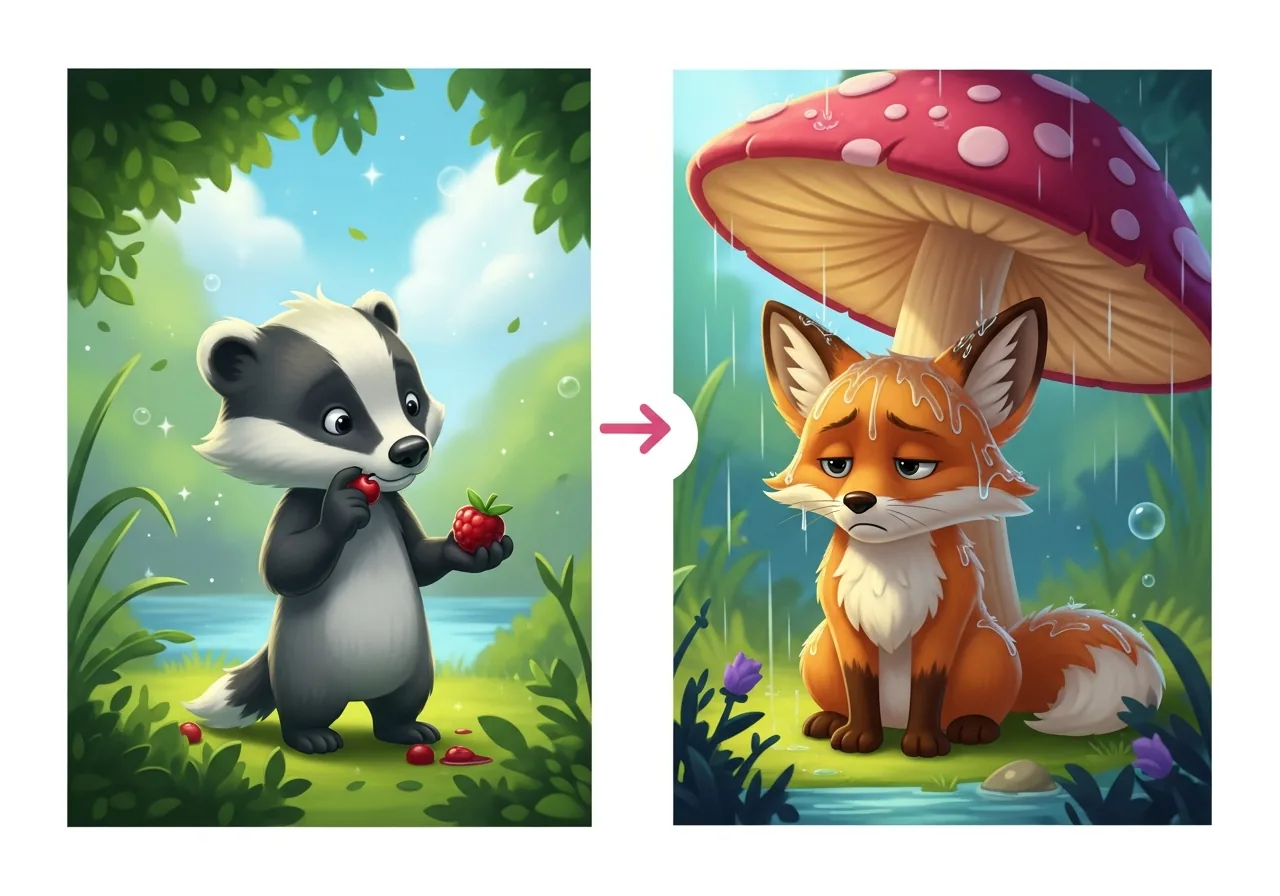
Interactive stories are not just about fun decisions; they are powerful tools for developing crucial cognitive and emotional skills. Each choice a child makes in an interactive narrative comes with consequences, both good and bad. This direct link between action and outcome is a fantastic way to introduce children to the concept of cause and effect in a safe, imaginative environment. If Siso the tiger decides to share his last fish with the grumpy bear, what happens next? If he keeps it for himself, what's the result?
As children navigate these scenarios, they naturally engage in critical thinking. They weigh options, predict potential outcomes, and learn from their "mistakes" if a particular path leads to an undesirable ending. This iterative process of choosing, experiencing, and reflecting is a cornerstone of problem-solving. They learn to adapt, to re-evaluate, and to strategize, skills that are invaluable in both academic settings and everyday life. This deliberate thought process actively works to boost kids creativity by encouraging divergent thinking – exploring multiple solutions to a single problem.
Moreover, these stories are fertile ground for cultivating empathy. When a child makes a decision on behalf of a character, they are stepping into that character's shoes. They consider the character's feelings, motivations, and the impact of their choices on others within the story world. For instance, deciding whether Siso the tiger helps a lost bird or continues on his own journey requires a moment of perspective-taking. This practice in understanding different viewpoints helps children develop a stronger sense of empathy and social awareness, skills that are vital for healthy personal relationships.
Fueling Imagination with Personal Journeys
One of the most profound benefits of interactive storytelling is its ability to ignite and fuel a child's imagination. When a story is a fixed narrative, children absorb it. When it's interactive, they actively participate in its construction. This personalization makes the narrative far more vivid and memorable. Instead of merely envisioning a pre-described world, children are building that world through their choices, populating it with consequences they’ve personally orchestrated.
Imagine the difference between reading about a hero's adventure and being the hero, choosing every step of the way. This deep level of immersion stimulates the imaginative centers of the brain, encouraging children to visualize outcomes, invent details that aren't explicitly stated, and even continue the story in their minds long after the book is closed. Platforms like Twistale, which offers a variety of interactive story experiences, exemplify how technology can enhance this personalized narrative journey, allowing kids to explore endless possibilities.
This active imagination isn't confined to storytime; it spills over into other aspects of life. Children who regularly engage with interactive narratives often show enhanced abilities in creative play, storytelling, and even problem-solving in real-world scenarios. They learn to think outside the box, to consider multiple perspectives, and to invent novel solutions – all hallmarks of a highly creative mind. The constant act of shaping a story through choice truly helps to boost kids creativity, laying a robust foundation for innovation and imaginative thinking.
- Personalized Immersion: Stories become uniquely "theirs," increasing engagement.
- Vivid Visualization: Active choices strengthen mental imagery.
- Extended Play: Imagination continues long after the story ends, fostering independent creative thought.
Interactive storytelling offers a dynamic and incredibly effective approach to nurturing the minds of early readers and school-age children. By inviting kids to step into the role of decision-maker, these narratives do more than just entertain; they equip children with vital skills in critical thinking, problem-solving, and empathy. Most importantly, they act as a powerful catalyst to boost kids creativity, empowering them to become active architects of their own imaginative worlds. In a world craving innovative thinkers, providing our children with the tools to actively engage with stories is not just beneficial—it's essential for their holistic development and future success.