
Screen Time Alternatives: Boost Kids' Minds with Interactive Books

In today's digital age, the glow of screens has become an almost inescapable part of childhood. From educational apps to animated shows, digital content offers undeniable appeal and convenience. However, most parents grapple with the pervasive challenge of balancing screen time with their children's overall development. The constant battle against the allure of tablets and smartphones often leaves parents seeking genuinely engaging, enriching, and healthy
screen time alternatives kids will actually embrace.
The good news is that the solution isn't about deprivation, but rather substitution. By introducing compelling, screen-free activities, parents can not only reduce passive consumption but also actively foster cognitive development, enhance creativity, and sharpen decision-making skills. The key lies in finding alternatives that captivate children's imaginations and provide hands-on, active learning experiences. Let's explore how interactive stories and other engaging activities can transform your child's playtime and support their growth.
The Hidden Costs of Excessive Screen Time for Children
While screens offer convenience and occasional educational content, an overreliance on them can come with a significant developmental cost. For many children, prolonged screen time often translates into passive consumption, where they are merely observers rather than active participants. This passive engagement can hinder the development of crucial skills that flourish through direct interaction and imaginative play.
One of the most commonly cited concerns is the potential impact on attention spans. Rapid-fire visual stimuli and constant novelty in digital content can make it challenging for children to engage with slower-paced, real-world activities that require sustained focus. Furthermore, excessive screen time can displace opportunities for physical activity, affecting motor skill development and contributing to sedentary lifestyles. The blue light emitted by devices can also disrupt sleep patterns, leading to fatigue and irritability.
Beyond the physical and attentional aspects, social and emotional development can also be affected. Face-to-face interactions, crucial for learning social cues, empathy, and conflict resolution, are often reduced when children are immersed in digital worlds. Language development, particularly expressive language, benefits greatly from real-time conversations and storytelling, which passive screen time rarely provides. By understanding these potential drawbacks, parents can better appreciate the urgency and value of seeking out robust
screen time alternatives kids can genuinely thrive on.
The goal isn't to demonize technology entirely, but to ensure that it plays a balanced role alongside a rich tapestry of other experiences that are vital for a child's holistic growth. Shifting from passive viewing to active engagement is paramount, and thankfully, there are numerous enriching avenues to explore.
Interactive Books: A Gateway to Cognitive Growth and Creativity
Among the most compelling
screen time alternatives kids can engage with are interactive books, particularly those in the choose-your-own-adventure format. These aren't just stories to be read; they are worlds to be explored, where the child's decisions directly influence the narrative's progression. This active participation transforms reading from a passive activity into an immersive, problem-solving adventure.
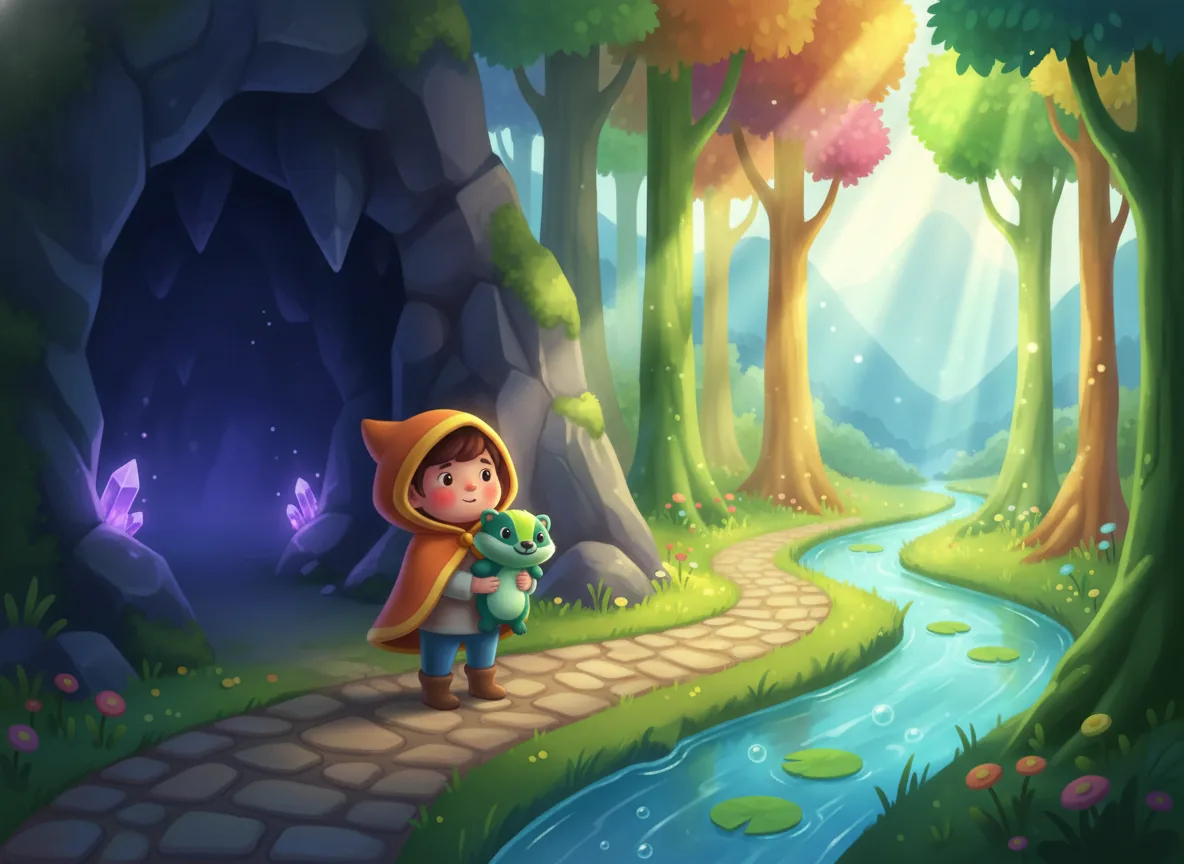
Imagine your child reading about a brave character facing a dilemma: should they go left into a dark cave or right towards a mysterious forest? Instead of passively turning the page, they get to make the choice, then flip to a specific page number to see the consequences of their decision. This format is incredibly powerful for several developmental reasons:
- Boosts Decision-Making Skills: Children learn that their choices have immediate impacts, fostering an understanding of cause and effect. This is a foundational skill for real-world problem-solving.
- Enhances Critical Thinking: They begin to think ahead, weighing potential outcomes before making a choice, developing strategic thinking from a young age.
- Ignites Imagination: By actively shaping the story, children are deeply invested. They visualize the scenarios more vividly, strengthening their imaginative capacities far beyond what passive viewing allows.
- Develops Empathy: Experiencing different outcomes based on choices helps children understand various perspectives and the feelings of the characters.
- Improves Reading Comprehension: The interactive nature requires them to truly understand the text to make informed decisions, leading to deeper comprehension.
Platforms like Twistale exemplify this innovative approach to storytelling. They offer a rich library of interactive books that allow children to embark on countless adventures, making every reading session unique. One popular character, Siso the tiger, often leads children through thrilling quests where they must navigate challenges, solve puzzles, and make critical choices to help Siso achieve his goals. This hands-on engagement with beloved characters makes learning fun and reinforces the idea that reading is an exciting journey of discovery.
The beauty of interactive books is their versatility. A single story can be re-read multiple times, with different choices leading to entirely new plotlines and endings. This replayability adds immense value and longevity, making them an excellent investment in your child's cognitive and creative development. They are truly an unparalleled
screen time alternative kids will want to pick up again and again.
Beyond the Screen: Practical Screen-Free Activities for Every Family
While interactive books are a fantastic starting point, a holistic approach to screen time alternatives for kids involves a diverse range of activities that cater to different interests and developmental needs. Here are several practical, engaging options that parents can easily incorporate into their family routine:
- Creative Play and Arts & Crafts: Encourage building with LEGOs, blocks, or Magna-Tiles. Provide art supplies like crayons, paints, clay, or recycled materials for crafting. These activities foster fine motor skills, spatial reasoning, and boundless creativity.
- Outdoor Exploration and Nature Play: Spend time in parks, local trails, or even your backyard. Encourage children to explore nature, collect leaves, identify birds, or simply engage in unstructured play like climbing, running, and jumping. Outdoor play is vital for physical health, sensory development, and a deeper connection with the natural world.
- Board Games and Puzzles: Classic board games like Chutes and Ladders, Candy Land, or more strategic options for older children such such as Ticket to Ride, teach turn-taking, patience, strategy, and sportsmanship. Jigsaw puzzles are excellent for problem-solving, spatial reasoning, and focus. These are wonderful
screen time alternatives kids can enjoy with the whole family, fostering valuable social skills.
- Reading Aloud and Storytelling: Don't underestimate the power of a parent reading aloud, even if it's a traditional book. The act of sharing a story, discussing characters, and predicting outcomes strengthens bonds and literacy skills. Encourage children to invent their own stories, perhaps using puppets or acting them out, stimulating their imaginative storytelling abilities.
- Music and Movement: Put on some music and have a dance party! Introduce musical instruments, even simple ones, and encourage children to create their own tunes. Movement-based activities enhance coordination, rhythm, and emotional expression.
- Cooking and Baking: Involve children in preparing meals or baking. Measuring ingredients, stirring, and following recipes are practical life skills that also incorporate math and science concepts in a fun, tangible way.
The key to successful implementation is offering choices, being flexible, and joining in the fun. When parents actively participate, these activities become more appealing and reinforce the idea that screen-free time is valuable and enjoyable.

Empowering children with rich, interactive, and screen-free experiences is one of the greatest gifts parents can offer in today's digital landscape. By strategically introducing compelling
screen time alternatives kids genuinely enjoy, like the immersive worlds of interactive books exemplified by platforms such as Twistale and the adventures of Siso the tiger, alongside a variety of other hands-on activities, you can foster a childhood rich in creativity, critical thinking, and genuine connection. Embrace these opportunities to watch your children's minds flourish beyond the screen, building a foundation for lifelong learning and well-being.