Make Heritage Language Fun: Engage Kids Through Stories
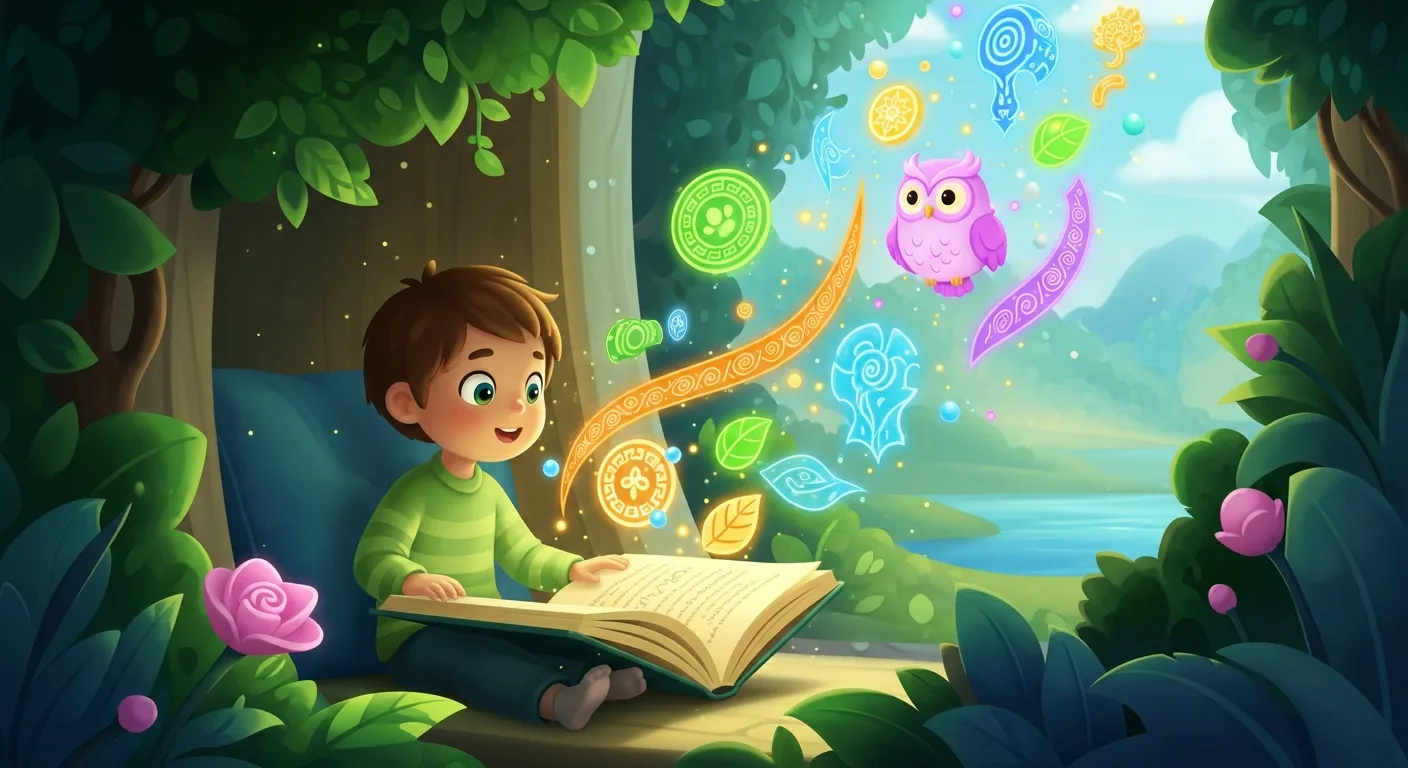
Raising children in a bilingual household is a profound gift, offering them a unique window into different cultures and perspectives. For many parents, this journey includes nurturing a heritage language – the language of their ancestors, their childhood, or their cultural roots. It’s a powerful way to connect children to their identity, family history, and a global community. However, maintaining and developing a heritage language for kids in a dominant language environment can often feel like an uphill battle. Parents frequently grapple with how to make language learning an enjoyable, natural part of daily life, rather than a demanding chore that children might resist.
The good news is that fostering a love for their heritage language doesn't have to be a struggle. In fact, it can be one of the most enriching and fun aspects of their upbringing. This post will guide you through engaging, interactive strategies that transform language acquisition into an exciting adventure, primarily by harnessing the incredible power of stories and imaginative play. By embracing these methods, you can empower your children to not just learn their heritage language, but to truly live it, building a deep and lasting connection to their cultural legacy.
Why Stories are a Superpower for Heritage Language Development
Stories are fundamental tools for a child's linguistic, cognitive, and emotional development. For children learning a heritage language, stories offer an unparalleled gateway to fluency and cultural understanding. Narratives provide natural exposure to new vocabulary, sentence structures, and expressions, embedding them within memorable plots and character interactions. This contextual learning makes acquisition intuitive and retention robust, building foundational literacy effectively.
Beyond linguistic gains, stories are crucial for building a child’s cultural identity and emotional connection. Hearing tales passed down generations, folklores, or contemporary stories helps children understand their roots and feel a sense of belonging. These narratives often carry moral lessons, cultural values, and historical insights. This strengthens bonds with family members, fostering intergenerational connections and making language learning a shared, joyful experience. It's truly invaluable for nurturing a love for the heritage language for kids.
Stories also provide a safe, low-pressure environment for language practice. Unlike formal lessons, story time invites children to listen, imagine, and absorb without fear of mistakes. Repeated readings reinforce vocabulary and sentence patterns, building confidence. Parents become storytellers, transforming language acquisition from a chore into a cherished ritual. This consistent, joyful exposure is key to cultivating a lifelong appreciation for their heritage language.
Turning Storytime into an Adventure: Interactive Techniques
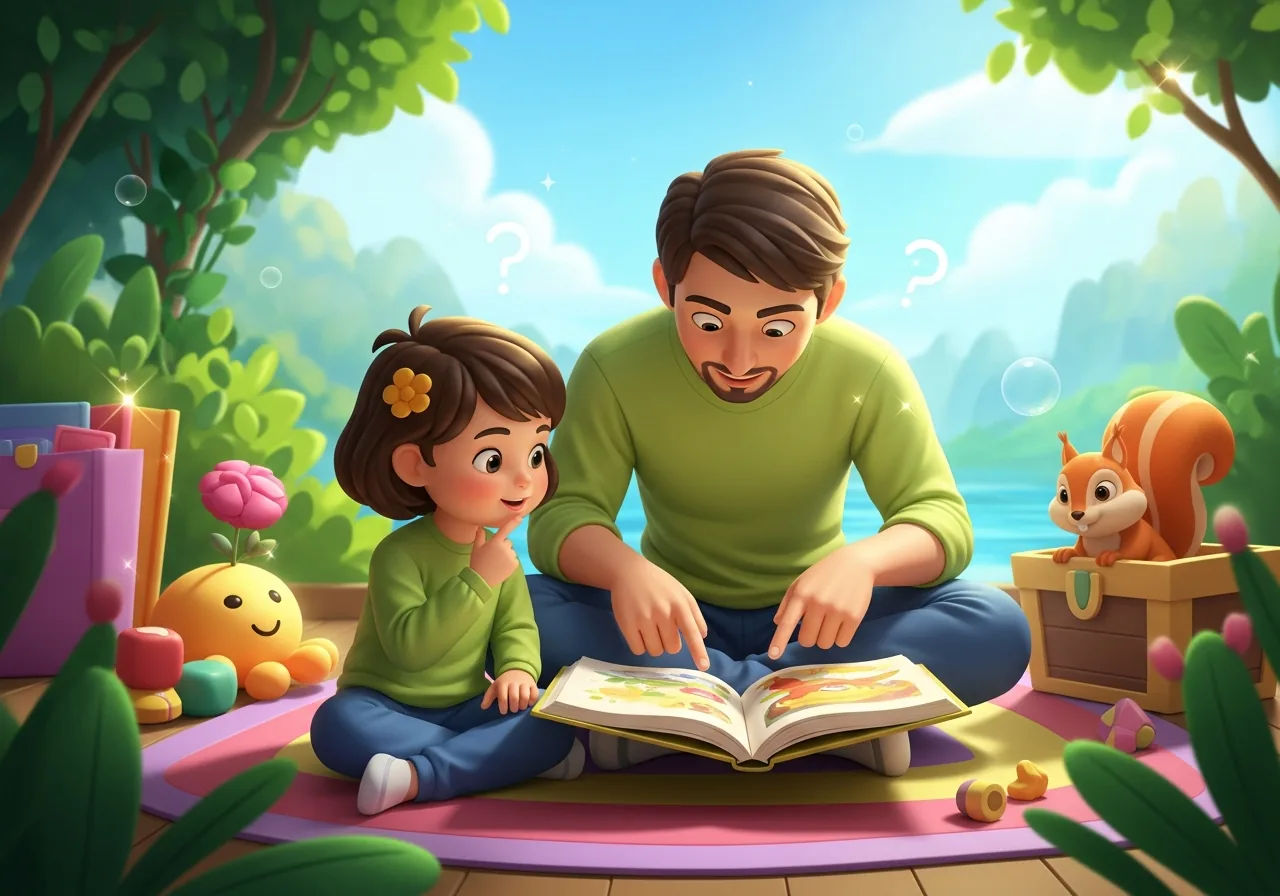
To truly unlock the potential of stories for teaching a heritage language for kids, transform storytime into an interactive adventure. Engage children directly by pausing to ask questions in the heritage language: "What do you think will happen next?" "Why did Siso the tiger feel sad?" "What would you do?" These questions check comprehension and encourage critical thinking and verbal expression, making the child an active participant.
Encourage children to retell parts of the story, or the entire narrative, in the heritage language using their own words. This reinforces vocabulary and grammar, solidifying understanding and boosting speaking confidence. Play "story variation" games, changing key elements of familiar tales, like a pig building a chocolate house. These imaginative exercises stimulate creativity while demanding flexible use of the heritage language. Role-playing scenes or creating new dialogues for characters brings the narrative to life, allowing children to embody the language.
One of the most engaging formats is the choose-your-own-adventure style. This empowers children by giving them agency over the plot, making them co-authors. "Should the hero turn left or right?" Each decision leads to a different path, providing endless opportunities for new vocabulary, problem-solving, and conversational practice. Platforms like Twistale leverage this interactive format to create captivating stories where children actively shape the narrative. Such tools, often featuring lovable characters like a brave Siso the tiger, turn language learning into an immersive game, keeping children excited and motivated on their heritage language journey.
Beyond the Book: Integrating Heritage Language Play into Daily Life
While structured storytime is valuable, the true magic of fostering a heritage language for kids often happens organically, through playful integration into daily routines. Encourage creative storytelling where you and your child invent new narratives together. Take turns building an imaginative world in the heritage language, perhaps based on your child's day or family anecdotes, making the language feel deeply personal and relevant.
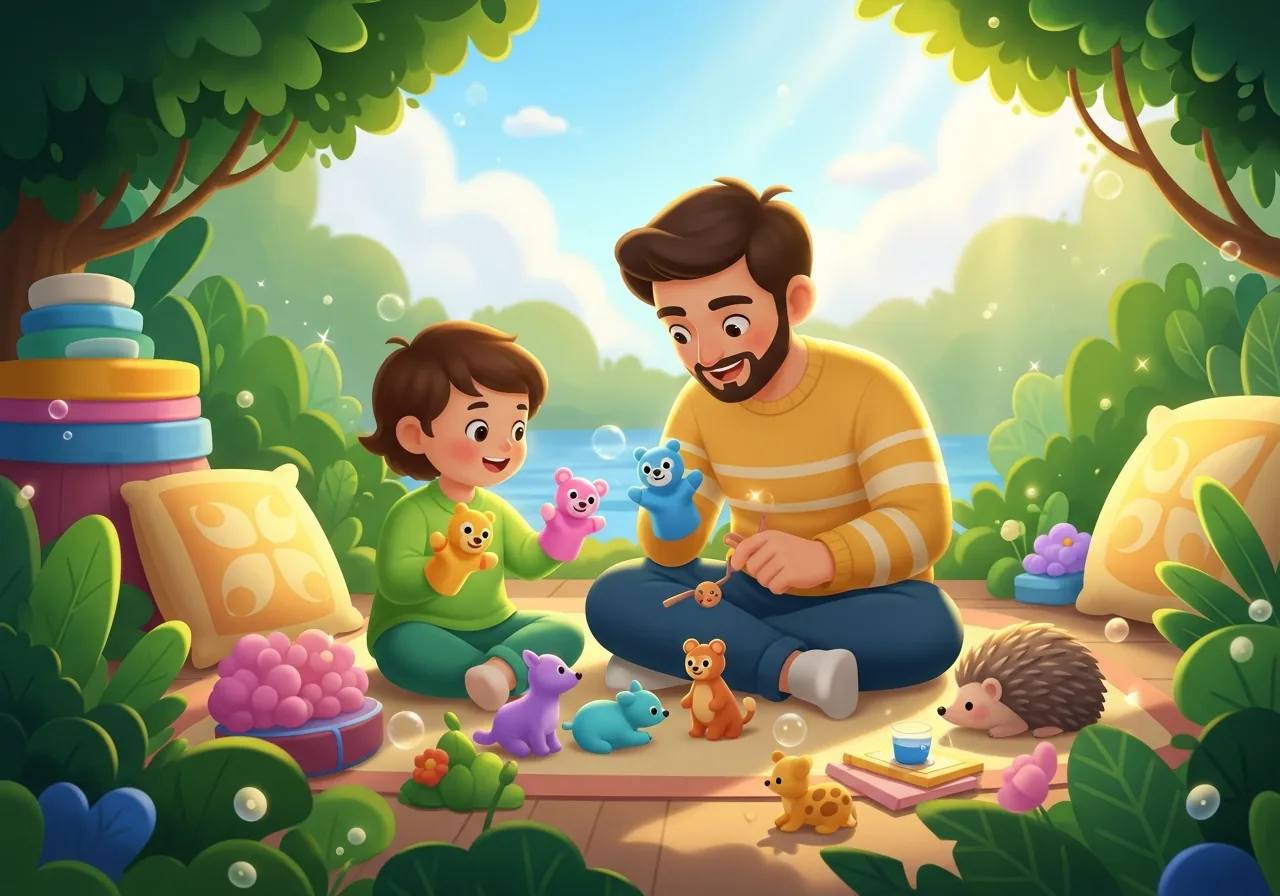
Puppetry and toy play offer fantastic avenues for spontaneous language practice. Use puppets or your child's favorite figures to create dialogues and scenarios in the heritage language. This indirect approach can reduce self-consciousness, allowing children to experiment with new words and phrases. Simple language games, such as "I Spy" ("Veo, veo...") or "Simon Says" ("Simón dice..."), are excellent for reinforcing vocabulary and conversational patterns in a lighthearted manner, easily adaptable for on-the-go learning.
Don't underestimate music and songs. Learning and singing in the heritage language is a joyful way to internalize rhythm, pronunciation, and new vocabulary. Traditional lullabies and children's songs are cultural treasures. Cooking and crafting activities also provide natural opportunities for language immersion. Following a recipe together, naming ingredients, and describing steps in the heritage language turns kitchen time into a practical lesson. The more fun and integrated these experiences are, whether through digital platforms like Twistale or everyday playful interactions, the more naturally your children will embrace their heritage language.
Nurturing a heritage language for kids is an incredible journey that enriches their lives in countless ways, from deeper cultural understanding to enhanced cognitive abilities. By embracing the power of stories and weaving playful interactions into the fabric of daily life, parents can transform language learning from a potential chore into a beloved adventure. Whether through interactive narratives, co-created tales, or simple games and songs, the key is consistent, joyful engagement. Patience, creativity, and a genuine enthusiasm for their heritage language will be your most valuable tools. Give your children the precious gift of their heritage language, and watch them flourish, connecting deeply with their roots and confidently navigating a multilingual world.