
How to Handle Bedtime Resistance Without the Power Struggle

If the mere mention of the word 'bedtime' sends a shiver down your spine, you are certainly not alone. For many families with young children, the hours between dinner and sleep transform a once-peaceful home into an exhausting negotiation arena. You ask your little one to brush their teeth, and suddenly you are met with a barrage of stalling tactics, frantic demands for one last cup of water, and outright protests. This nightly friction is a classic manifestation of bedtime resistance toddlers frequently display as they test boundaries and seek a shred of control at the end of a long day.
The traditional response to this resistance often involves ultimatums, rising voices, and desperate power struggles that leave everyone in tears and wide awake long past lights-out. However, the secret to transforming this chaotic hour does not lie in stricter rules or louder enforcement, but in a fundamental shift in how we approach the transition to sleep. By understanding the psychology behind toddler sleep battles and introducing interactive, engaging elements into your routine, you can guide your child from a state of anxious defiance into a cooperative, ready-for-rest mindset without breaking a sweat.
Shift From Control to Connection: Reframe the Evening Power Struggle
When a toddler digs their heels in and refuses to get into pajamas, it rarely stems from pure malice. Instead, bedtime resistance toddlers put up is usually a stress response or a desperate bid for connection after a day spent apart or in structured environments. Children this age crave autonomy. When we bark orders like 'Go brush your teeth now' or 'Put your pajamas on immediately,' we trigger their innate desire to push back. Shifting from a dynamic of control to one of connection changes the entire energetic landscape of the bedroom.
To put this into practice, try replacing direct commands with playful collaboration. For instance, if your child refuses to clean up their toys before bed, turn it into a game: 'Let's see if the toy basket can gobble up three red blocks before I count to ten!' This eliminates the adversarial feeling of a command and introduces a sense of shared momentum. Furthermore, connect physically and emotionally for five uninterrupted minutes before starting the bedtime routine. Sitting on the floor and engaging in completely child-led play for a brief window signals to their nervous system that they are safe, seen, and deeply loved, which drastically reduces the anxiety that fuels nighttime pushback.
Try offering limited, empowering choices rather than open-ended commands. Instead of asking if they are ready for bed—which inevitably invites a resounding 'No!'—give them two acceptable paths. Ask, 'Would you like to hop to the bathroom like a frog or slither like a snake?' or 'Do you want to wear the blue pajamas or the striped ones tonight?' This subtle psychological shift satisfies their craving for independence while still steering them toward the ultimate goal. You stop being the warden and start being the gentle guide, which instantly lowers their defenses and defuses the nightly standoff.
Incorporate Low-Stimulation Rituals That Bridge Play and Sleep
One of the hardest parts of bedtime for a young child is the abrupt transition from daytime play to quiet isolation. Their little brains are still whirring, making it nearly impossible to wind down just because the clock says it is time. Rather than forcing a hard stop, create a bridge between high-energy play and low-energy rest. This is where modern parenting tools can seamlessly blend entertainment with relaxation, helping to soothe an active mind without stimulating it further.
A practical way to create this bridge is by dimming the lights in the house 30 minutes before bedtime and playing soft, ambient background music. You can also introduce tactile sensory activities, such as applying a lavender-scented lotion or doing gentle, slow stretches on the rug together. These physical cues help discharge residual physical energy while signalling to the brain that the pace of the world is slowing down. Pairing these sensory steps with a predictable narrative ritual gives your child's mind something gentle to anchor onto.
For instance, many parents find immense success by integrating gentle, interactive storytelling into the wind-down sequence. Platforms like Twistale offer wonderful auditory and visual experiences that captivate young imaginations while preparing them for sleep. Imagine introducing a lovable character like Siso the tiger, who embarks on a calming, wind-down journey. Because it utilizes a choose-your-own-adventure format, your child feels actively engaged in guiding Siso to his sleeping spot. This participatory storytelling gently shifts their focus away from resisting sleep and toward a cozy, shared narrative experience, making the transition to the mattress feel like a natural reward rather than a punishment.

Establish Predictable Visual Cues and Consistent Boundaries
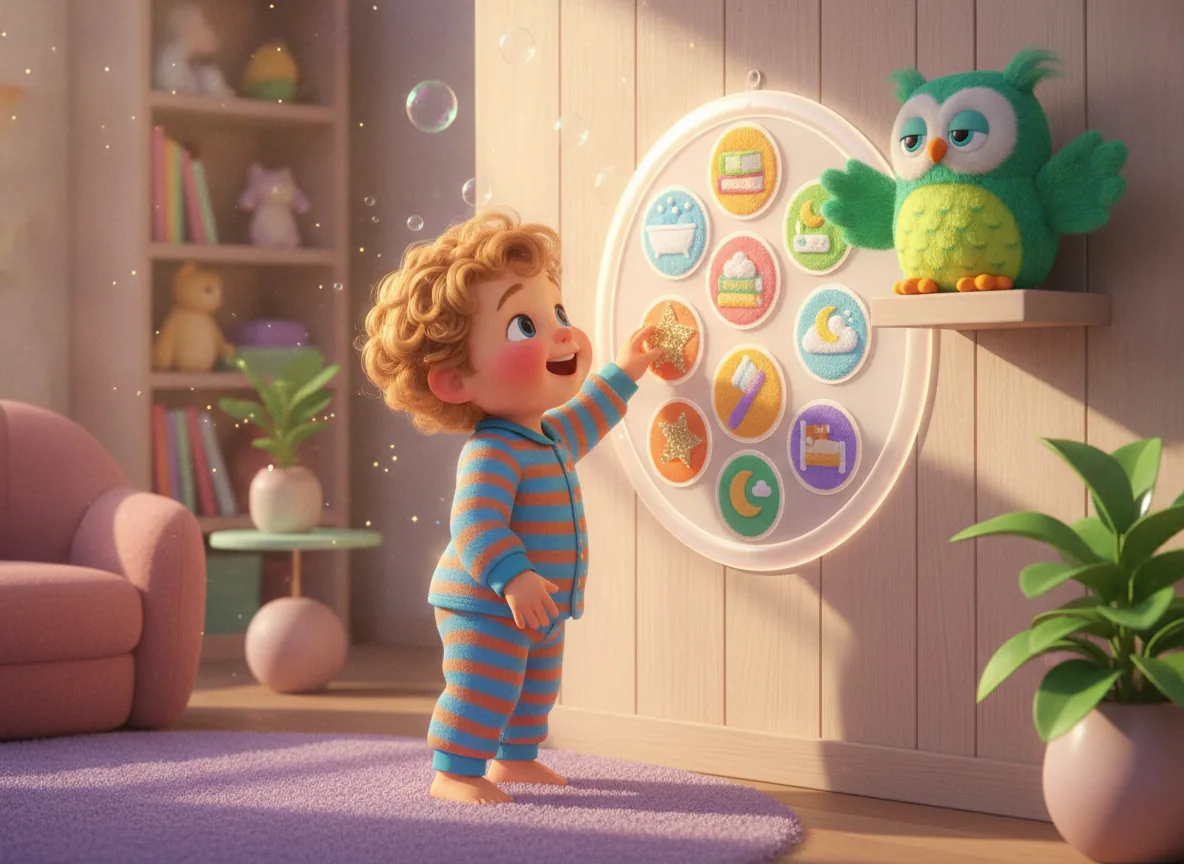
Consistency is the anchor that helps children feel safe, yet consistency does not mean rigidity. Toddlers and preschoolers thrive on predictability because they do not yet have a fully developed grasp of time. If bedtime happens at a different time or follows a chaotic sequence every night, anxiety builds, and bedtime resistance toddlers exhibit becomes much worse. To combat this, create a visual bedtime routine chart together. Let your child place stickers on pictures representing each step: bath, teeth, pajamas, story, and final hug and kiss.
When implementing this routine, walk through each picture together so your child acts as the 'director' of the evening. You can ask, 'What is next on our map?' allowing them to proudly point to the story or teeth-brushing icon. This fosters a deep sense of capability and ownership over their schedule. Additionally, establish clear, loving limits around stall tactics. If your child asks for a third cup of water, acknowledge their request with calm empathy: 'You are so thirsty tonight, but the kitchen is closed until morning. We can have a nice big sip right here from your bedside cup.' Holding these boundaries kindly and consistently teaches them that crying or protesting will not change the structural safety of the container you have built around their sleep.
By combining predictable visual cues with empathetic boundary-setting and engaging transition tools like our friend Siso the tiger guiding them through a choose-your-own-adventure tale, you create an environment where sleep is no longer a battleground, but a peaceful, welcoming destination.
Conquering evening battles requires patience, empathy, and a willingness to step away from traditional power struggles. By reframing how you offer choices, bridging playtime with soothing interactive stories, and maintaining calm, predictable boundaries, you can turn exhausting nights into moments of genuine connection and peace.