
Help Young Kids Manage Big Feelings: Emotional Tools
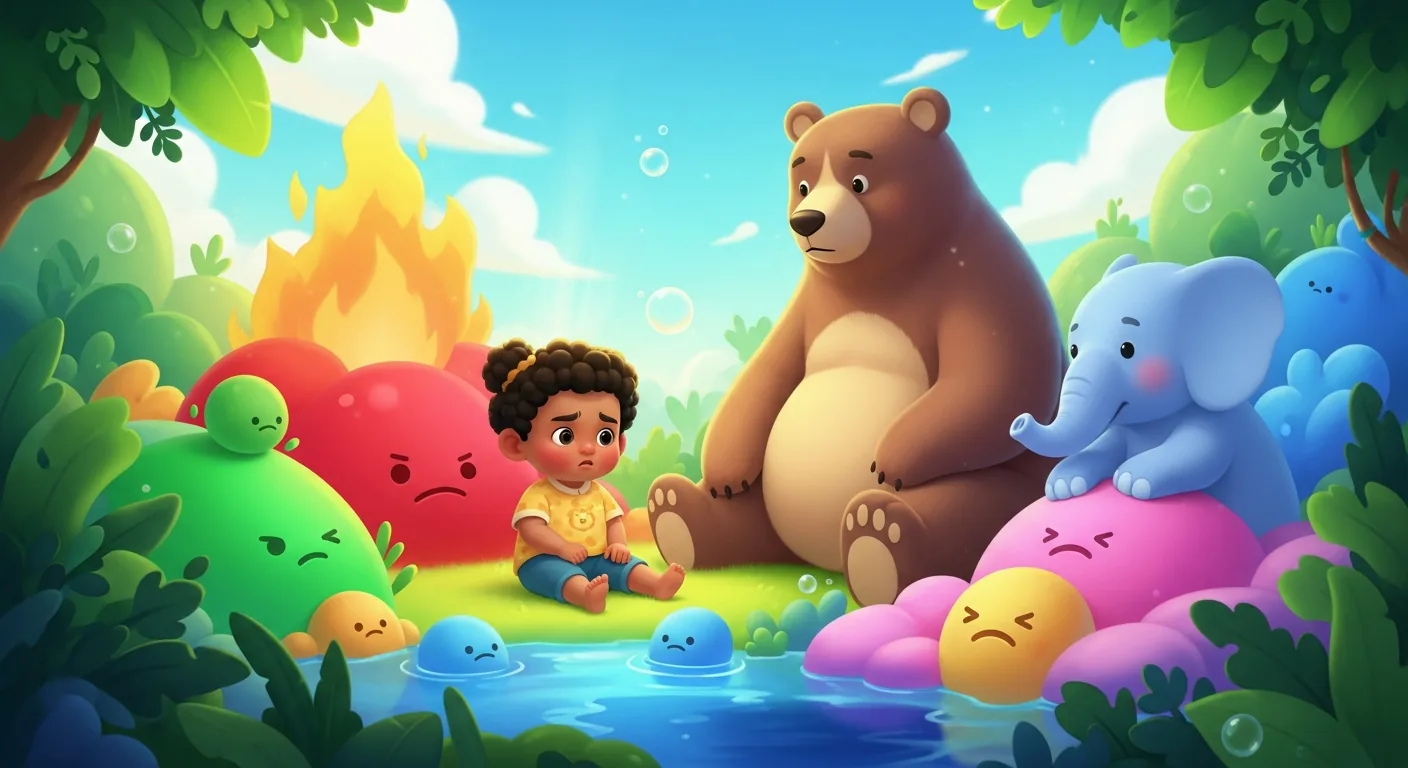
As a parent, few things are as challenging as navigating the powerful emotional storms of a toddler or preschooler. One moment, they’re gleefully stacking blocks, the next, they’re a whirlwind of tears, frustration, or anger because a tower tumbled. These "big feelings" are a normal, healthy part of development, yet for young children, they can feel overwhelming and confusing, often leading to meltdowns. Yet, these moments are crucial opportunities to build strong kids emotional regulation skills, vital for their future well-being.
Empowering your child to identify, express, and manage their emotions is one of the greatest gifts you can give them. It's about more than just stopping a tantrum; it's about teaching empathy, resilience, and self-awareness. By equipping them with practical strategies and engaging tools, you can transform chaotic outbursts into teachable moments, fostering healthy emotional development from an early age. This post will guide you through actionable strategies and innovative, interactive storytelling ideas to help your little one master their big feelings.
Understanding the Landscape of Little Feelings
Few things manifest as intensely as a young child's emotions. Toddlers and preschoolers are experiencing rapid brain development; their prefrontal cortex, responsible for impulse control, is still immature. This means their emotional responses are often raw, immediate, and overwhelming. Combine this with limited verbal skills, and a simple disappointment can quickly escalate into a full-blown meltdown.
The first crucial step in fostering kids emotional regulation is helping them identify and name their feelings. All feelings are valid and serve a purpose; our role is to teach that while all feelings are okay, not all behaviors are.
- Model Emotional Literacy: Talk about your own feelings openly. "Mommy is frustrated because the computer isn't working." This normalizes emotions.
- Observe and Label: When your child feels a strong emotion, gently label it: "It looks like you're angry that your block tower fell," using a calm, empathetic tone.
- Use Visual Aids: Emotion flashcards, feeling charts, or books depicting facial expressions are helpful. Ask, "How does this person feel?"
- Body Scan Check-ins: Help them connect feelings to bodily sensations. "Where do you feel that anger? In your tight fists?" This builds self-awareness.
- Narrate Experiences: Describe emotions relevant to situations. "The dog looks excited!" or "The baby is crying, maybe tired."
Consistency in labeling and validating emotions builds a strong foundation, helping children gain agency and express themselves constructively.
Building a Toolbox for Expression and Regulation
Once children can identify their emotions, the next step is teaching them healthy ways to express and regulate those feelings. This isn't about suppressing emotions but channeling them into manageable and appropriate outlets. Think of it as providing them with a "feelings toolbox" they can reach into when big emotions arise.
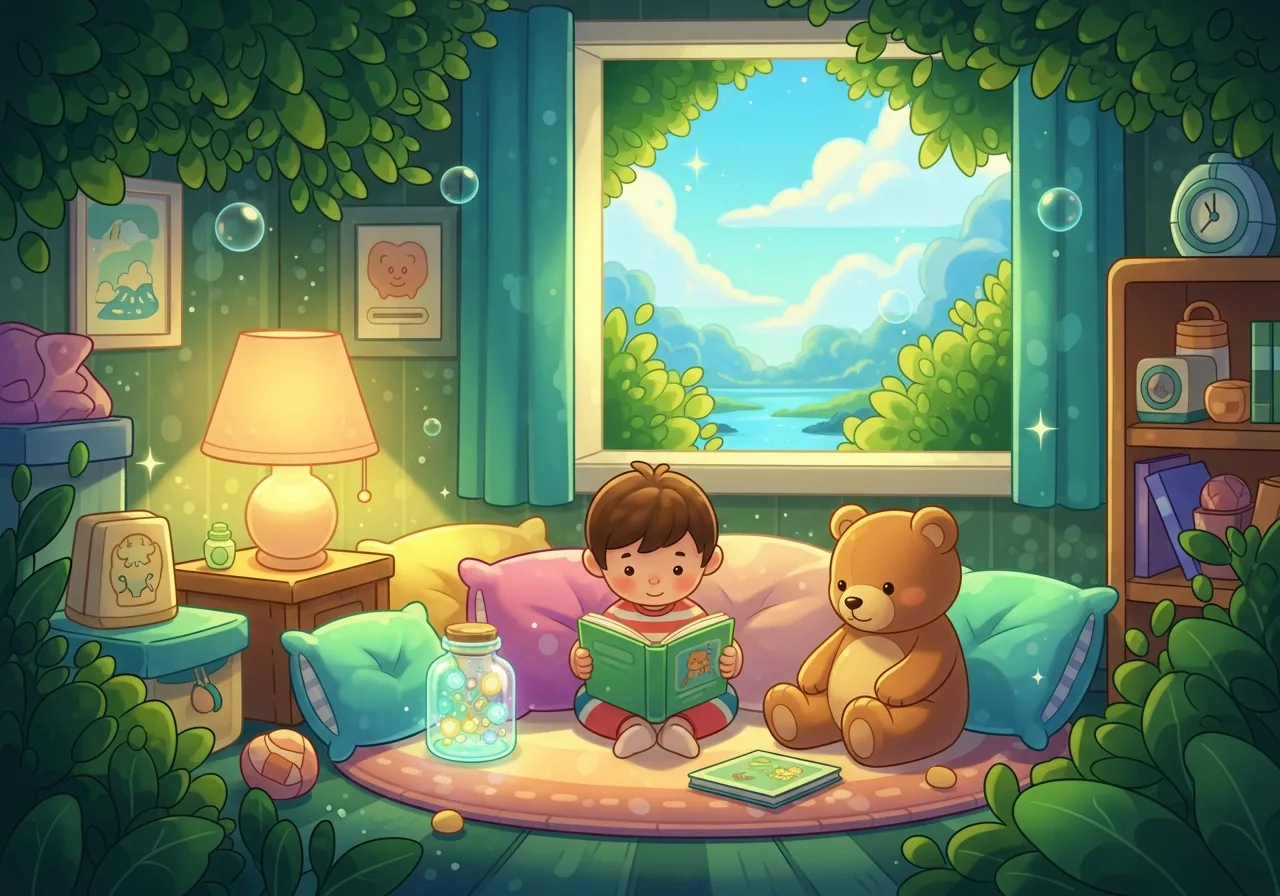
- Create a "Calm Down Corner": Designate a quiet space with calming items like soft pillows, sensory bottles, or books. Emphasize this is a safe space for processing, not punishment.
- Teach Deep Breathing Techniques: Simple breathing exercises like "Smell the flower, blow out the candle" are effective. Practice when calm so they can access them when distressed.
- Physical Outlets for Big Energy: Encourage healthy physical release: stomp feet, squeeze a pillow tightly, jump, or run outside.
- Art and Play as Expression: Drawing, painting, or playing with clay can be therapeutic. Puppet play or dramatic scenarios help act out feelings safely.
- Validation First, Solution Second: When upset, first validate: "I understand you're upset." Then, gently suggest a coping tool: "Would you like to take three deep breaths, or squeeze your calming ball?"
Interactive stories are a powerful, engaging method to explore these tools. Imagine a story where a friendly character, like Siso the tiger, is feeling very frustrated. Through the story, children can help Siso choose different ways to calm down—maybe taking deep breaths or going to his cozy cave. A choose-your-own-adventure format, like those found in programs such as Twistale, allows children to actively participate in Siso's journey, making decisions that lead to different emotional regulation outcomes. This empowers them by showing they have choices in how they respond.
Interactive Storytelling: A Playful Path to Emotional Mastery
Stories powerfully transport children into different worlds, ideal for teaching complex emotional concepts. Interactive storytelling, especially with a choose-your-own-adventure format, elevates this learning, allowing children to become active participants, practicing kids emotional regulation in a low-stakes, imaginative setting.
Here’s how you can incorporate interactive storytelling into your routine:
- Co-Create Characters and Scenarios: Invent a character who experiences big feelings (e.g., a grumpy bear). Create simple scenarios: "Little Bear wanted the red crayon, but his friend took it. How does Little Bear feel?"
- Introduce Emotional Choices: Once the character identifies their feeling, present response choices: "Little Bear is angry! What can he do? A) Yell, B) Stomp and count to three, or C) Ask politely?" Guide your child to consider consequences.
- Explore "What Ifs": The choose-your-own-adventure format allows exploring different outcomes. If a child suggests an unhelpful choice, gently ask: "What if Little Bear yelled? How would his friend feel?"
- Integrate Coping Strategies: Weave learned emotional tools into the story. "The little bird feels scared! Should she A) Hide, B) Take 'owl breaths' with mommy, or C) Get her cozy blanket?" This reinforces tools.
- Role-Playing and Puppets: Bring stories to life. If Siso the tiger has a tantrum, let your child "be" Siso and try different calming strategies.
- Relate to Real-Life: After the story, connect it to your child's experiences: "Remember how Little Bear felt? Did you feel like that yesterday? What helped him?"
Through these interactive narratives, children repeatedly practice identifying emotions, considering responses, and choosing healthy coping mechanisms. It’s a playful rehearsal for real-life emotional challenges, building confidence in managing their inner world.

Teaching young children about their emotions is an ongoing journey. By consistently providing a safe space for feelings, equipping them with practical coping tools, and engaging their imagination through interactive storytelling, you empower them with invaluable life skills. These early lessons in kids emotional regulation lay the foundation for empathy, resilience, and strong mental health, preparing them to navigate the world with confidence. Be patient, be present, and celebrate every small step in their emotional development.