Help Kids Grasp Consequences: Story Choices Matter
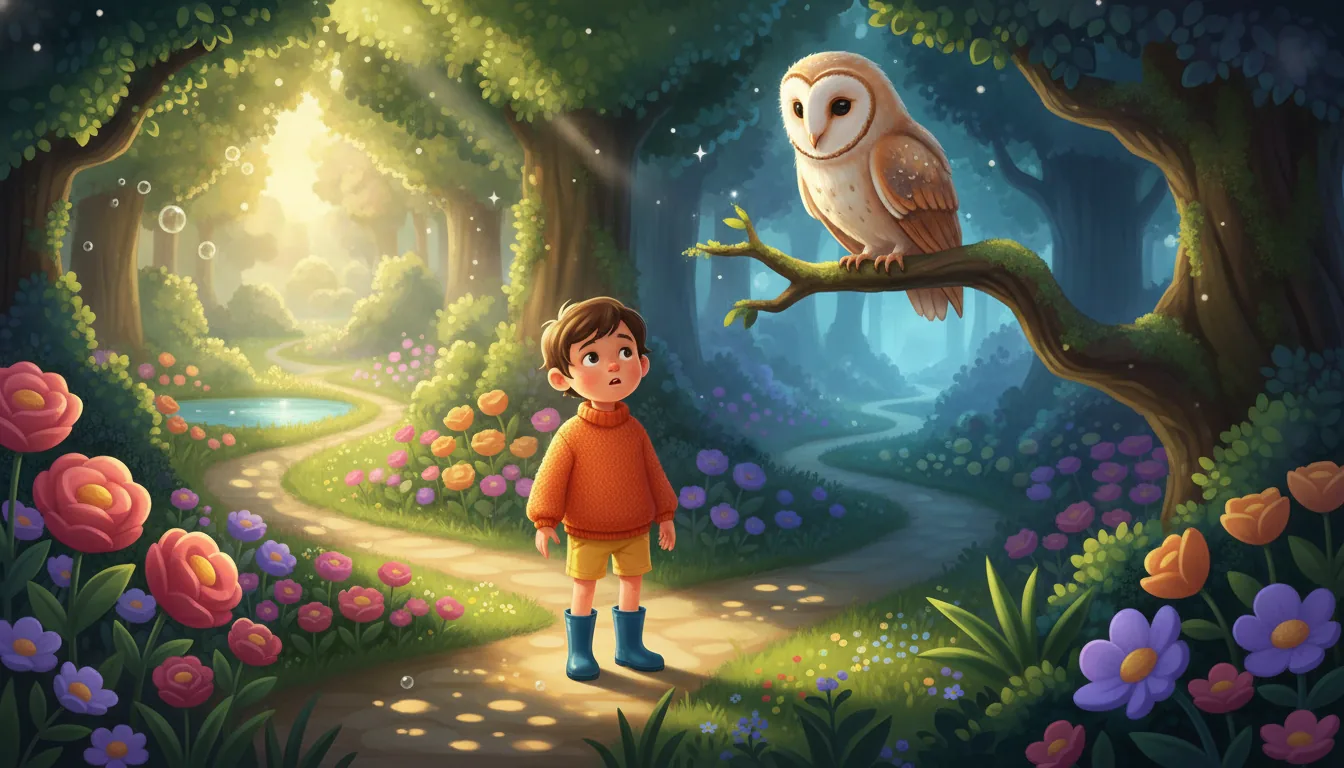
As parents, one of our greatest hopes is to raise children who are not only happy and confident but also responsible and capable of making sound decisions. We want them to understand the world around them, to grasp that every action has a reaction, and that choices, both big and small, carry consequences. However, for young children, the concept of cause and effect can often feel abstract, a complex puzzle piece they’re still learning to fit into their understanding of the world. This journey can be fraught with frustration for both children and adults as we try to explain why certain actions lead to certain outcomes.
Traditional methods of teaching consequences often involve lectures or punitive measures, which, while sometimes necessary, can fall short in fostering true understanding and intrinsic motivation. What if there was a way to make this learning process engaging, intuitive, and even fun? Enter the world of interactive storytelling, particularly the choose-your-own-adventure format. These captivating narratives offer a unique and powerful tool to teach kids consequences, allowing them to explore the direct links between decisions and outcomes in a safe, imaginative environment, thereby nurturing their decision-making skills from a young age.
Why Understanding Consequences is Crucial for Young Minds
Children aged 3-8 are in a critical developmental stage where their understanding of the world is rapidly expanding. While their curiosity is boundless, their cognitive abilities are still maturing. They often operate from an egocentric perspective, finding it challenging to see situations from another's point of view or to fully predict future events based on current actions. This is why a simple command like "Don't run with scissors" might be met with a blank stare, or a repeated action despite a previous negative outcome.
Learning about consequences isn't just about avoiding trouble; it's about developing a fundamental understanding of how the world works and their place within it. When children grasp cause and effect, they begin to:
- Develop Personal Responsibility: They see that their actions have an impact, shifting from a victim mentality to understanding their role.
- Enhance Problem-Solving Skills: By predicting potential outcomes, they think strategically about achieving desired results or avoiding undesirable ones.
- Cultivate Empathy: Understanding how their choices affect others is a cornerstone of empathy, helping them consider feelings beyond immediate desires.
- Build Self-Regulation: The ability to pause, reflect, and choose an action based on anticipated consequences is crucial for self-control and emotional intelligence.
Effectively teaching kids consequences in these early years lays the groundwork for sound judgment, ethical behavior, and greater independence. It empowers them to become proactive participants, rather than passive reactors.
The Magic of Choose-Your-Own-Adventure Stories
Traditional stories offer fixed narratives, with the reader as a passive observer. Choose-your-own-adventure stories, however, flip this dynamic entirely, transforming the child into the protagonist and decision-maker. This active participation is where the magic truly happens when you want to teach kids consequences.
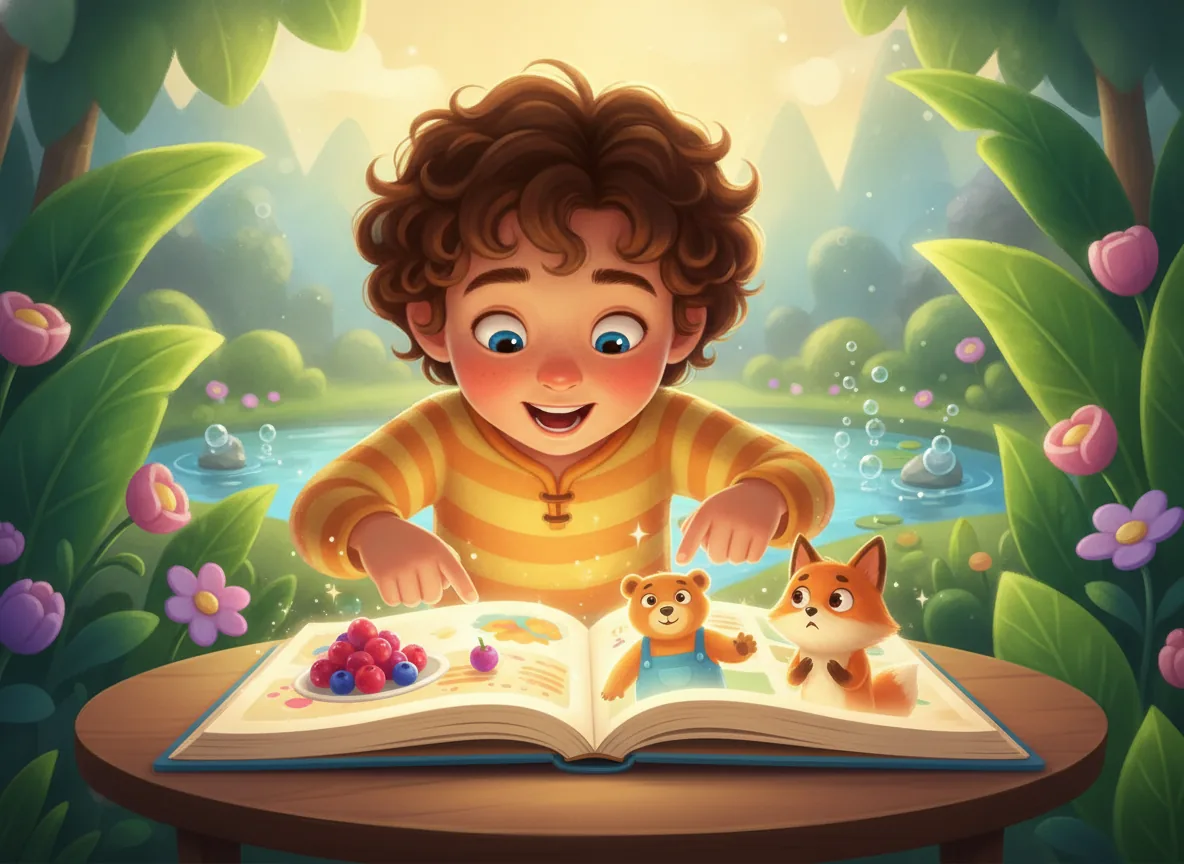
Imagine a scenario: a character faces a dilemma, and your child gets to decide what happens next. "Should Maya share her last cookie with her friend, or keep it for herself?" "Should Leo clean up his toys before dinner, or leave them scattered?" Each choice branches off into a different path, leading to unique outcomes, both positive and negative. This direct link between decision and progression is incredibly powerful.
Platforms like Twistale exemplify this format beautifully. Their interactive stories allow young readers to make choices at critical junctures, instantly seeing the ripple effect of those decisions within the narrative. This hands-on experience provides a safe sandbox for experimentation, allowing children to "try out" choices without real-world repercussions and learn valuable lessons in a low-stakes environment. If a choice leads to a less-than-ideal outcome, they can reflect or restart, cementing cause and effect in a way lectures rarely can. This makes it an incredibly effective method to teach kids consequences.
Practical Tips for Using Interactive Stories to Foster Growth
To maximize the learning potential of choose-your-own-adventure stories, active engagement from parents is key. Here’s how you can transform storytime into a powerful lesson in decision-making and consequences:
- Engage Actively and Pause for Discussion: Don't rush choices. When a decision point arises, pause and ask, "What do you think will happen if [choice A]?" or "How might [character] feel if you choose [choice B]?" Encourage articulating their reasoning before selecting. This prompts critical thinking, helping them pre-plan and predict outcomes – crucial for learning to teach kids consequences.
- Discuss Outcomes – Both Good and Bad: After a choice is made and its consequence revealed, take time to discuss it. If positive, celebrate and talk about why it worked out. "See? Because you chose to help Siso the tiger share his toy, he made a new friend!" If negative, approach with curiosity. "Oh, Siso is sad now. Why do you think that happened when he didn't share? What could he have done differently?" This reflective process reinforces the cause-and-effect relationship.
- Relate Story Consequences to Real Life: Help your child bridge the gap between fiction and everyday experiences. "Remember how Siso the tiger helped his friend and felt good? How does that feel when you help clean up your toys?" Or, "When the character didn't listen to the grown-up and got lost, how is that like not holding my hand in the store?" This connection makes lessons tangible and applicable.
- Explore Different Paths: One advantage of interactive stories is the ability to revisit and re-explore. After finishing one path, suggest going back and trying a different choice. "What if we chose differently this time? Let's see what happens!" This demonstrates that different actions lead to different consequences, solidifying understanding that they have agency over outcomes.
- Emphasize Natural Consequences: Focus on the logical and inherent outcomes within the story. Instead of saying, "You chose wrong," focus on the natural progression: "Because the character didn't bring a coat, they got cold." This helps children see consequences as a natural part of living, rather than arbitrary punishments, further embedding the desire to teach kids consequences effectively.
By applying these strategies, you transform storytime into a powerful learning experience that builds essential life skills.
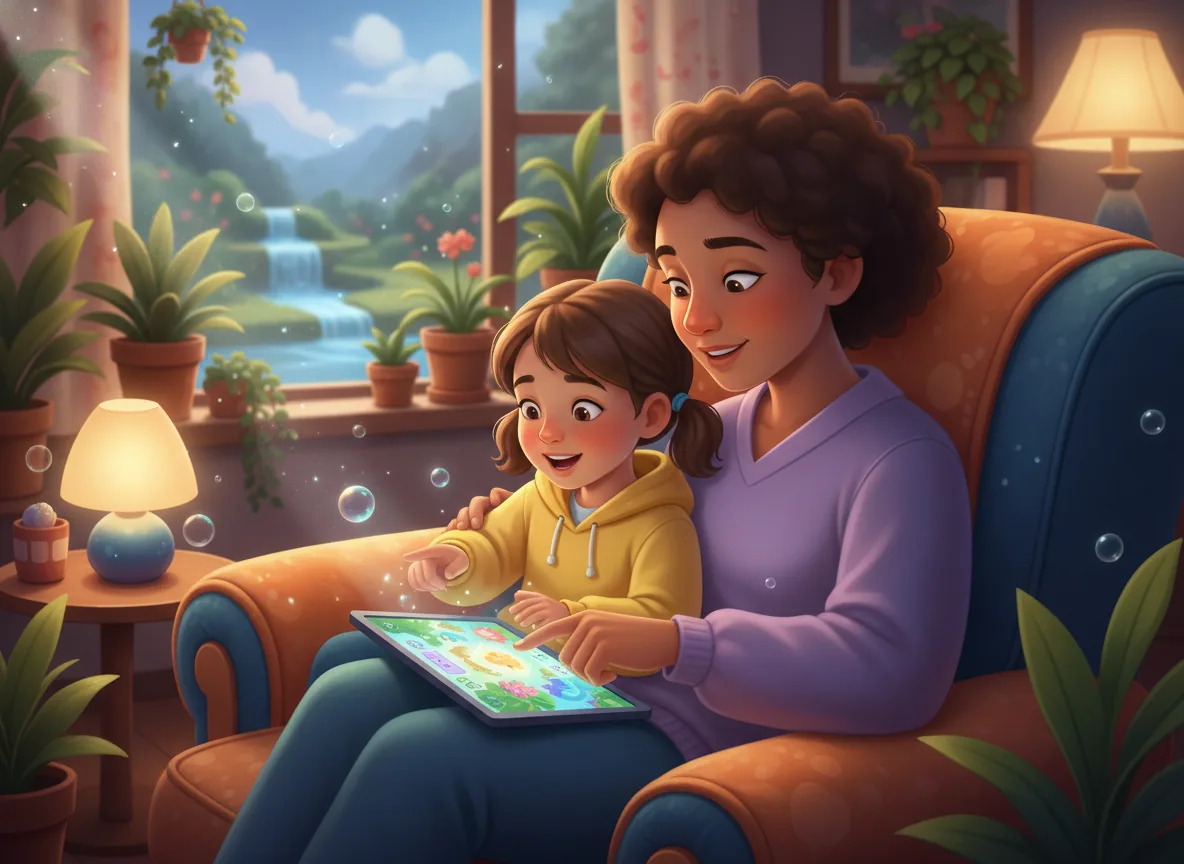
The journey of teaching children to understand consequences and make wise decisions is ongoing, but it doesn't have to be a battle. By embracing the engaging format of choose-your-own-adventure stories, parents have a joyful and effective tool at their disposal. These interactive narratives, like those from Twistale featuring characters such as Siso the tiger, transform abstract concepts into tangible experiences, fostering empathy, responsibility, and critical thinking. They empower children to practice decision-making in a safe space, gradually building the confidence and wisdom to navigate their own lives. So, next time you settle down for storytime, consider embarking on an adventure where your child's choices truly matter, helping them to effectively grasp and apply the profound lessons of cause and effect.