
Boost Kids' Critical Thinking: Learning Through Choices

In a world that’s constantly evolving and presenting new challenges, equipping our children with the ability to think critically is more important than ever. Beyond memorizing facts or acing tests, critical thinking is the bedrock of problem-solving, innovation, and independent decision-making. It’s the superpower that helps children navigate complex situations, understand consequences, and make informed choices, not just in school, but throughout their entire lives. As parents, we instinctively want to prepare our kids for the future, and fostering this fundamental cognitive skill is one of the most impactful ways we can do so.
The good news is that cultivating critical thinking for kids doesn't require advanced curricula or complex theories. It begins with simple, everyday interactions and engaging activities that encourage them to question, explore, and choose. From the moment they start asking "why?" to deciding between two play options, young children (ages 4-8) are naturally primed to develop these skills. By creating an environment rich in opportunities for thoughtful decision-making, we can transform ordinary moments into powerful learning experiences that build a strong foundation for their cognitive development.
Why Critical Thinking Matters More Than Ever for Young Children
When we talk about critical thinking for kids, we're not envisioning them solving advanced logic puzzles. For young children, it’s about developing foundational mental processes: observing, asking questions, understanding cause and effect, evaluating options, and forming conclusions. Think about a child trying to build a tower. If it falls, they might critically think: "Is this block too small?" or "Maybe a wider block here first." This simple act exemplifies problem-solving and evaluating outcomes – core components of critical thinking.
In a world saturated with information, the ability to discern, question, and analyze is paramount. Children with strong critical thinking skills are better equipped to:
- Solve Problems Independently: They can figure things out without immediate adult intervention.
- Make Thoughtful Decisions: They learn to weigh pros and cons, even in simple situations.
- Develop Resilience: When initial attempts fail, they analyze what went wrong and try a different approach.
- Boost Creativity: Critical thinking often involves looking at problems from new angles, sparking imaginative solutions.
- Improve Academic Performance: Understanding concepts deeply, rather than memorizing, becomes easier.
Fostering critical thinking for kids isn’t just about making them smarter; it’s about empowering them to be adaptable, resourceful, and confident individuals prepared for a future where independent thought will be key to success.
Everyday Opportunities to Nurture Critical Thinkers
You don't need special tools to foster critical thinking for kids. Their daily lives are brimming with natural opportunities. The key is to guide them through discovery and decision-making themselves. Here’s how you can integrate critical thinking practice into your family’s routine:
- Engage in Thought-Provoking Conversations:
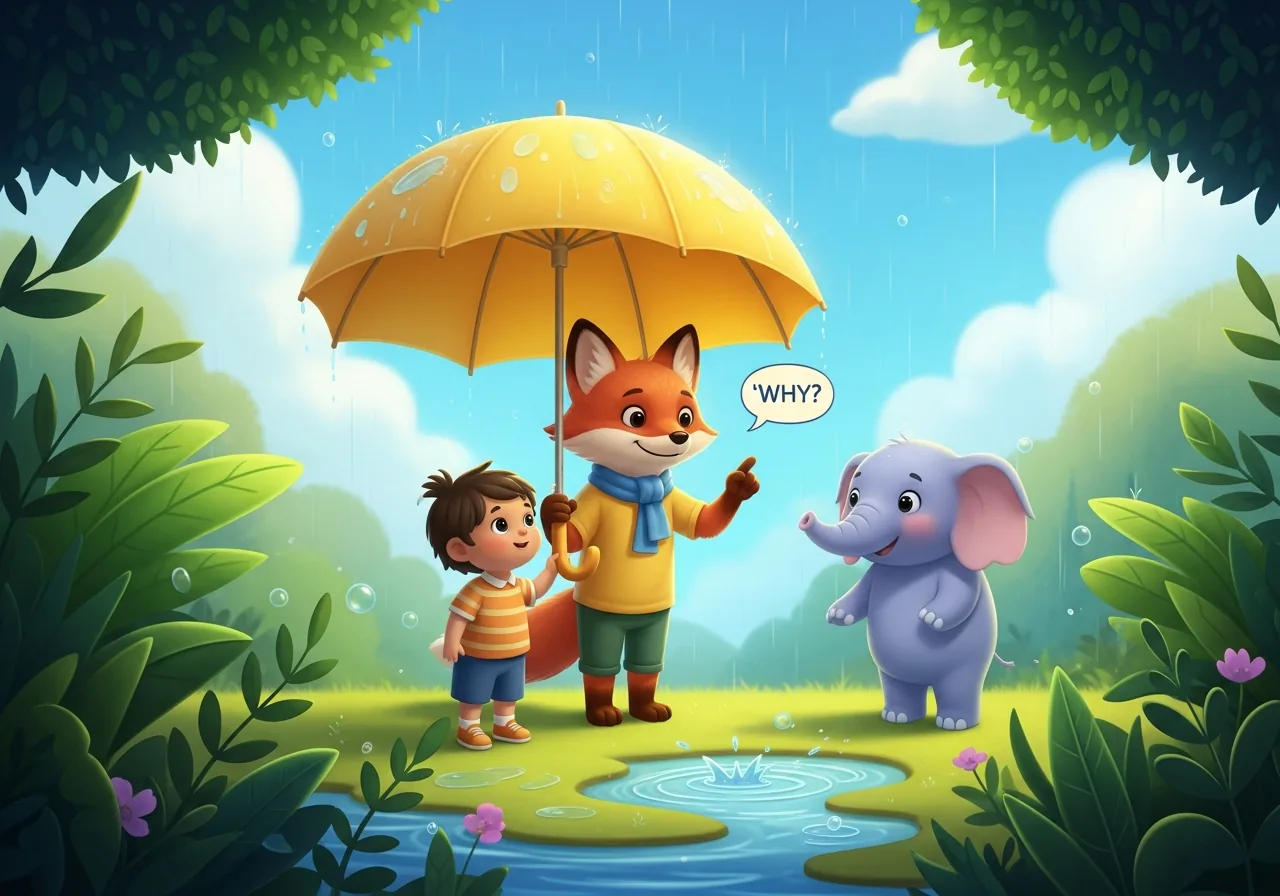
- Ask "Why" and "What If": Instead of just saying "It's raining, so we need an umbrella," ask, "Why do you think we need an umbrella today?" or "What might happen if we don't bring one?"
- Encourage Explanations: When your child expresses an opinion, ask, "Tell me why you think that." This helps them articulate their reasoning.
- Discuss Consequences: After a choice, talk about the outcome. "You wore your rain boots, and now your feet are dry! How did that choice help?" or "You didn't put toys away, now we can't find your car. What could we do differently next time?"
- Leverage Play-Based Learning:
- Games and Puzzles: Many games for young children require strategy and planning. Puzzles demand spatial reasoning and trial-and-error.
- Building Blocks: These challenge kids to plan structures, understand stability, and problem-solve when pieces don't fit. "How can we make this tower stronger?"
- Pretend Play: Role-playing scenarios encourages kids to think through different situations, make choices for their characters, and adapt their play.
- Involve Them in Household Decisions:
- Outfit or Snack Choices: Let them choose between two appropriate options, explaining their reasoning.
- Simple Planning: "We have two chores: clean your room or help set the table. Which one do you want to do first and why?" This introduces prioritization.
Remember, the goal isn't always the "right" answer, but to foster the process of thinking. Praise their effort in thinking through problems. Allowing children to make small mistakes in a safe environment and then discussing them is a powerful way to build resilience and refine their critical thinking capabilities.
Interactive Stories: A Powerful Playground for the Mind
While everyday interactions provide a wealth of opportunities, one of the most engaging ways to cultivate critical thinking for kids is through interactive storytelling. Imagine a narrative where your child isn't just a passive listener but an active participant, influencing the plot and determining characters' destinies. This is the magic of the choose-your-own-adventure format, transforming storytime into a dynamic cognitive exercise.
In these stories, children are regularly presented with choices. "Should Siso the tiger share his special berry, or keep it?" "Which mysterious path should the hero take?" Each decision branches the story, leading to unique consequences. This format is incredibly effective because it:
- Demands Active Engagement: Children must pause, consider, and decide, deepening their understanding.
- Fosters Cause and Effect: They immediately see the direct impact of their choices, linking actions to consequences.
- Encourages Prediction: Children think, "What will happen if I pick option A?" This practice in predicting outcomes is a core critical thinking skill.
- Develops Empathy: Stepping into the protagonist's shoes, like Siso the tiger, helps children consider different viewpoints.
- Provides a Safe Space for Experimentation: Children can "undo" a choice and explore another path without real-world repercussions, learning from virtual "mistakes."
Platforms like Twistale specialize in bringing these engaging experiences to life. Their interactive stories, featuring characters such as Siso the tiger, are designed to challenge young minds in fun ways. For example, Siso might need to cross a river, with choices like "build a raft" or "ask a friendly elephant." Each option requires children to weigh difficulties and benefits, exercising their problem-solving and decision-making muscles.
These narratives are deliberate tools for nurturing critical thinking for kids. They empower children to think strategically, anticipate results, and understand the intricacies of choice, all within captivating story worlds. By regularly engaging with interactive stories, children gain invaluable practice in making judgments, understanding consequences, and developing confident decision-making skills that will serve them well throughout their lives.

Fostering critical thinking for kids is not a task to be delegated to schools alone; it’s an ongoing, joyful journey that begins at home. By embracing everyday choices, encouraging thoughtful conversations, and leveraging engaging tools like interactive stories from platforms such as Twistale, we equip our children with more than just knowledge. We give them the invaluable skills to analyze, question, innovate, and make confident decisions. Empowering our young ones to think critically means empowering them to face life's challenges with resilience and curiosity, preparing them not just for success, but for a lifetime of independent thought and meaningful engagement with the world.